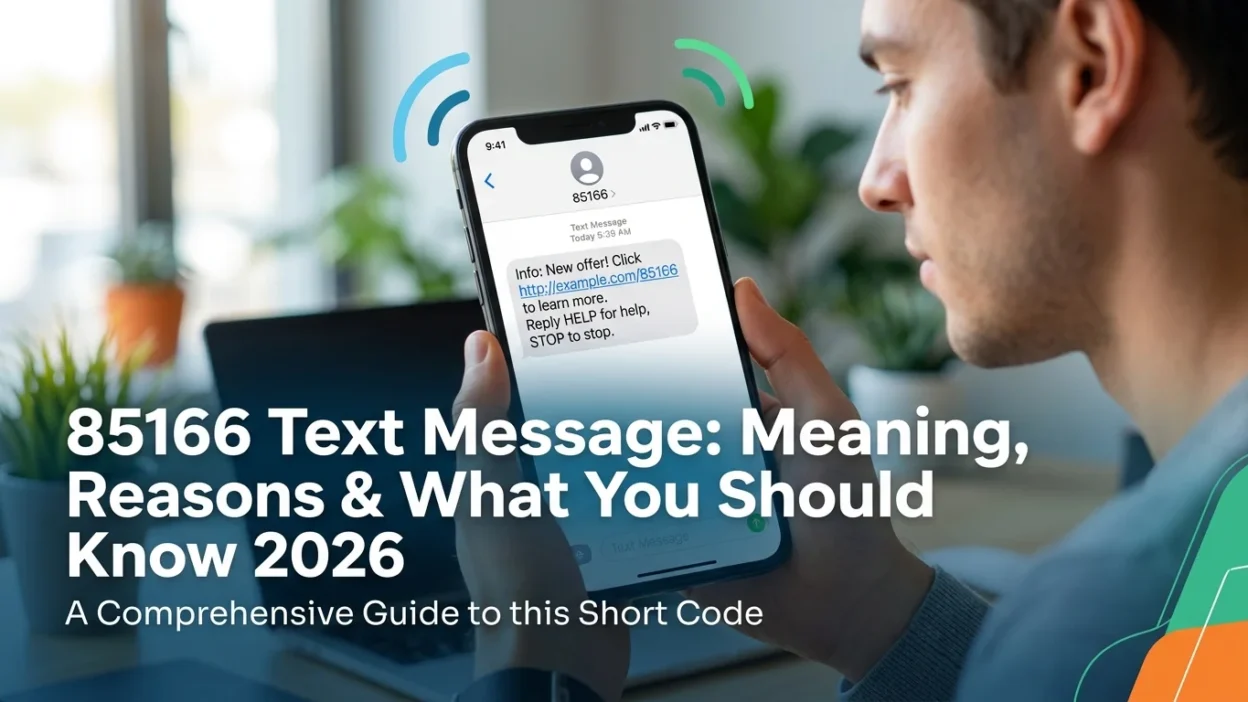
Have you recently received a text message from an unfamiliar 5-digit number: 85166? You’re not alone. Many people check their phones to find a message from this short code and immediately wonder who sent it and why. This confusion is completely understandable, as short codes like 85166 aren’t typical phone numbers.
The good news is that 85166 is a legitimate, registered short code. Specifically, it was registered on June 26, 2018 by CT Service Alerts. This guide will explain everything you need to know about the 85166 text message, including why you received it, how to stop future messages, and how to stay safe.
📌 What Is a Short Code?
Before diving into 85166 specifically, it helps to understand what short codes are. Short codes are 4, 5, or 6 digit numbers that companies use to send high-volume text messages to consumers. Unlike standard 10-digit phone numbers, short codes are designed for automated, bulk messaging. Businesses use them for a wide range of purposes. For example, they send verification codes for two-factor authentication. Additionally, companies use them for promotional offers and coupons. Furthermore, appointment reminders and order updates often come through short codes. Password change alerts and account security notifications also use this system.
📱 What Is the 85166 Text Message?
The 85166 text message is an SMS communication sent from the registered short code 85166. According to registration records, the sender behind this code is CT Service Alerts. The short code was registered on June 26, 2018, meaning it has been in operation for several years.
When you receive a message from 85166, it typically relates to a service you have opted into. Companies using short codes must send messages only to users who have given consent to receive SMS notifications. This means you likely signed up for alerts from a business or service that uses CT Service Alerts as their messaging platform.
🔍 Why Did I Get a Text from 85166?
If you received a 85166 text message, there are several possible explanations. Understanding these can help you determine the message’s legitimacy and your next steps.
You Opted Into a Notification Program
The most common reason is that you previously opted into an SMS notification program. This could have happened through various channels. For instance, you might have entered your phone number on a website and agreed to receive text messages. Similarly, you could have downloaded an app and granted permission for it to send SMS notifications. In some cases, you provided your phone number during an in-store purchase. Additionally, you may have created an account with a business and selected SMS alerts as a communication preference.
The Message Relates to an Account
The message might contain time-sensitive information related to one of your accounts. For example, it could be an order confirmation from a recent online purchase. Alternatively, it might be an appointment reminder for a medical or dental visit. Account security alerts and promotional offers also commonly appear in these messages.
A Mistake or Wrong Number
If you don’t recognize the message and have no memory of opting in, it’s possible someone entered your phone number by mistake when signing up for a service.
✅ How to Verify the Sender
If you’re unsure about a 85166 text message, there are legitimate ways to verify the sender without compromising your security.
Text “HELP” to 85166
The registered information for 85166 indicates that texting “HELP” to the number provides more details about who is sending messages from this short code. This is a standard, safe method to identify the company behind the messages. Consequently, the help response should clarify the sender’s identity and provide contact information.
Look for Identification in the Message
Legitimate messages typically identify the company they come from. For example, the text might say “From [Company Name]” or include the company’s branding. If the message is vague or doesn’t identify the sender, this could be a red flag.
Check Recent Activity
Consider what services you use that might send SMS alerts. Did you recently make a purchase online? Did you just schedule an appointment? Did you sign up for a loyalty program? Matching the message to recent activity can help confirm its legitimacy.
🛑 How to Stop Receiving 85166 Messages
If you no longer wish to receive 85166 text messages, you have the right to opt out. In the United States, companies are legally required to honor opt-out requests for SMS campaigns.
Text “STOP” to 85166
The most direct method is to reply to the message with “STOP”. Other recognized opt-out keywords should also work, including QUIT, CANCEL, UNSUBSCRIBE, and END. After sending one of these commands, you should receive a confirmation message confirming your opt-out. This confirms that the carrier has processed your request.
What If “STOP” Doesn’t Work?
If you try to opt out and continue to receive messages, you have several additional options. First, you can report the number to your mobile carrier. In the United States, you can forward spam texts to 7726 (SPAM). Second, you can block the number on your phone. Both iPhone and Android devices allow you to block specific numbers, including short codes. Third, you can contact the sender directly if the message identifies a specific company.
Important Note About Charges
It’s worth noting that sending text messages to short code numbers may result in additional charges from your carrier. This is more common with premium-rate short codes, but it’s something to be aware of. Standard messaging rates typically apply to standard short code communications.
🔒 Is the 85166 Text Message a Scam?
The short code 85166 itself is a legitimate, registered short code. CT Service Alerts registered it in 2018, making it an established messaging platform. However, it’s important to stay vigilant about any unsolicited messages.
When to Be Cautious
Exercise caution if the message exhibits these red flags. For instance, be wary of urgent requests for personal information like your Social Security number or credit card details. Similarly, avoid clicking suspicious links that seem slightly wrong or lead to unfamiliar websites. Furthermore, treat unexpected contact with caution if you have no history with the company. Additionally, watch for threatening language that uses fear tactics to pressure you into responding.
Reporting Unwanted Messages
If you believe you are receiving 85166 text messages by accident or without your consent, you can report the issue. Reporting unwanted text messages helps notify the community of potential scams. Consequently, it also holds companies accountable for spamming consumers.
❌ Common Mistakes to Avoid
Mistake 1: Clicking Suspicious Links
If you’re unsure about a message’s legitimacy, avoid clicking any links it contains. Instead, visit the company’s official website directly to verify any claims.
Mistake 2: Sharing Verification Codes
Never share verification codes with anyone who contacts you unexpectedly. Scammers often impersonate legitimate companies to trick you into sharing these codes.
Mistake 3: Assuming All Messages Are Scams
Not every message from a short code is a scam. Legitimate businesses use short codes for important communications. However, always verify before acting.
🔍 What Do Other Searches for 85166 Show?
The number sequence 85166 appears in several other unrelated contexts. Understanding these can prevent confusion.
Medical Identifier
85166 is the Orphanet identifier for a condition called “platyspondylic dysplasia, Torrance type”, a rare genetic disorder characterized by skeletal abnormalities. This is completely unrelated to the text messaging short code.
Biological Classification
The number 85166 is also the taxonomy identifier for a species of plant called Planchonella pohlmaniana. Again, this has no connection to SMS communications.
Other Uses
Other uses of 85166 include a star in the Hercules constellation, a registered business entity ID for Crystalex Incorporated, and a part number for Molex connectors and Klein Tools products. These are all completely separate from the short code 85166 used for text messaging.
📋 Frequently Asked Questions
What is the 85166 text message?
The 85166 text message is a message sent from the registered short code 85166. The sender is listed as CT Service Alerts, a company that provides SMS notification services for businesses.
Why did I get a text from 85166?
You likely received a message from 85166 because you opted into an SMS notification program from a business or service that uses CT Service Alerts as their messaging platform.
Is 85166 a legitimate number?
Yes, 85166 is a registered short code. Registration records confirm it was activated on June 26, 2018 by CT Service Alerts.
Is 85166 a scam text?
The short code 85166 itself is legitimate. However, it’s always wise to evaluate the content of any message you receive. Legitimate messages typically identify the sender and relate to a service you have signed up for.
How do I stop messages from 85166?
To stop receiving messages, text “STOP”, “QUIT”, “CANCEL”, “UNSUBSCRIBE”, or “END” to 85166. You should receive a confirmation that your opt-out request has been processed.
What if texting “STOP” doesn’t work?
If you continue to receive messages after attempting to opt out, report the number to your mobile carrier by forwarding the message to 7726 (SPAM). Alternatively, you can block the number on your phone.
Will I be charged for replying to 85166?
Standard messaging rates typically apply when sending texts to short codes. Check with your carrier if you have concerns about additional charges.
Can I send “HELP” to 85166?
Yes, texting “HELP” to 85166 should provide information about the sender, including who is using the short code and how to contact them.
✅ Conclusion
The 85166 text message comes from a legitimate, registered short code belonging to CT Service Alerts. When you receive a message from this number, it’s typically because you previously opted into an SMS notification program with a business or service that uses this messaging platform. These messages can include order confirmations, appointment reminders, promotional offers, or account alerts.
If you no longer wish to receive these messages, simply reply with “STOP” to opt out. Always verify the content of any message before taking action. Never share personal information like passwords or verification codes. By understanding what the 85166 short code represents, you can confidently manage your text message communications.

Amelia Brooks is a passionate writer specializing in text meanings, slang, and digital communication trends. She simplifies modern messaging to help readers understand every text with ease.