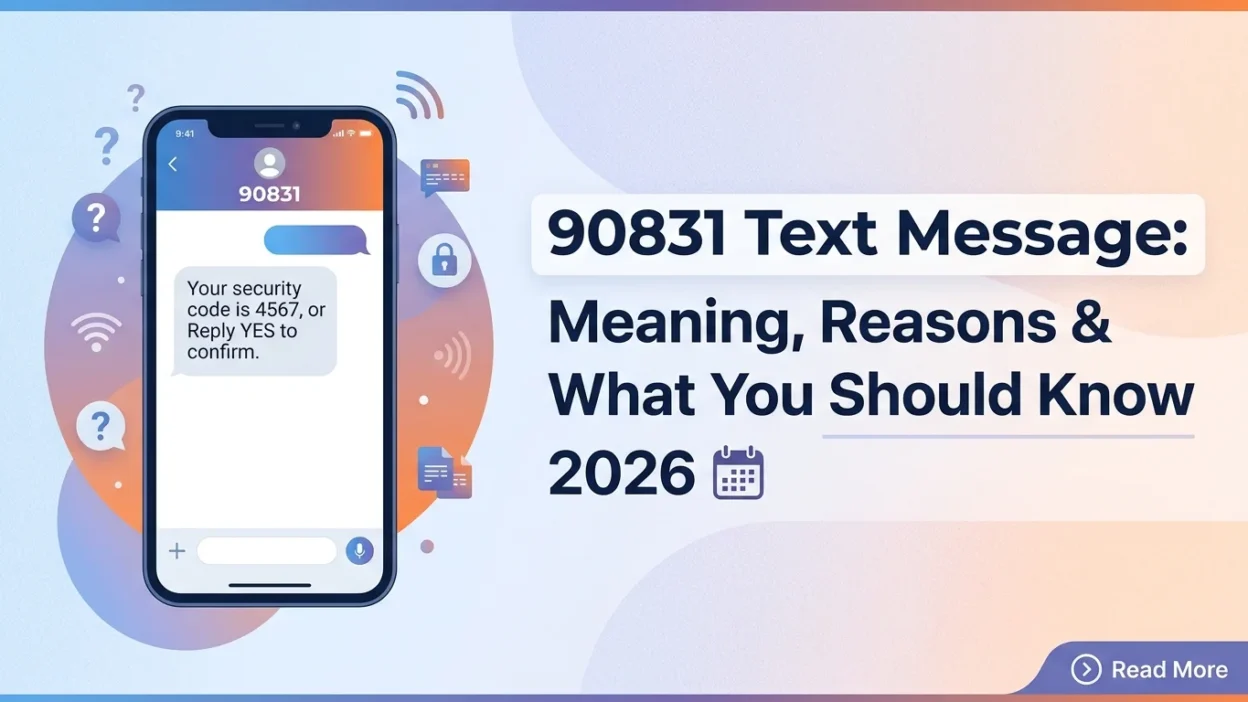
Have you ever checked your phone bill and noticed a mysterious entry for a 90831 text message? Perhaps you saw an “incoming text from 90831” listed multiple times, but when you checked your phone, there was no actual message to read. This confusion is understandable, as the number 90831 doesn’t appear to be a typical phone number or marketing short code.
The 90831 text message is a unique case in the world of digital communication. Unlike other carrier system codes we’ve explored, 90831 serves as a short code used by third-party platforms for verification and notification purposes. This guide explains everything you need to know about the 90831 short code, why it appears, and how to handle messages from this number safely.
📌 What Does the 90831 Text Message Represent?
The 90831 short code is a legitimate communication channel used by various services and platforms. Unlike carrier-specific system codes like 128 or 2300, which T-Mobile uses for internal network functions, 90831 is a dedicated short code that third-party services utilize to send messages to users.
When you receive a 90831 text message, it typically comes from a specific service that you have interacted with recently. This could be a verification code, a notification, or an alert from a platform you use. The short code system allows businesses and services to send high-volume, automated messages efficiently.
🔐 Verification Codes and Two-Factor Authentication
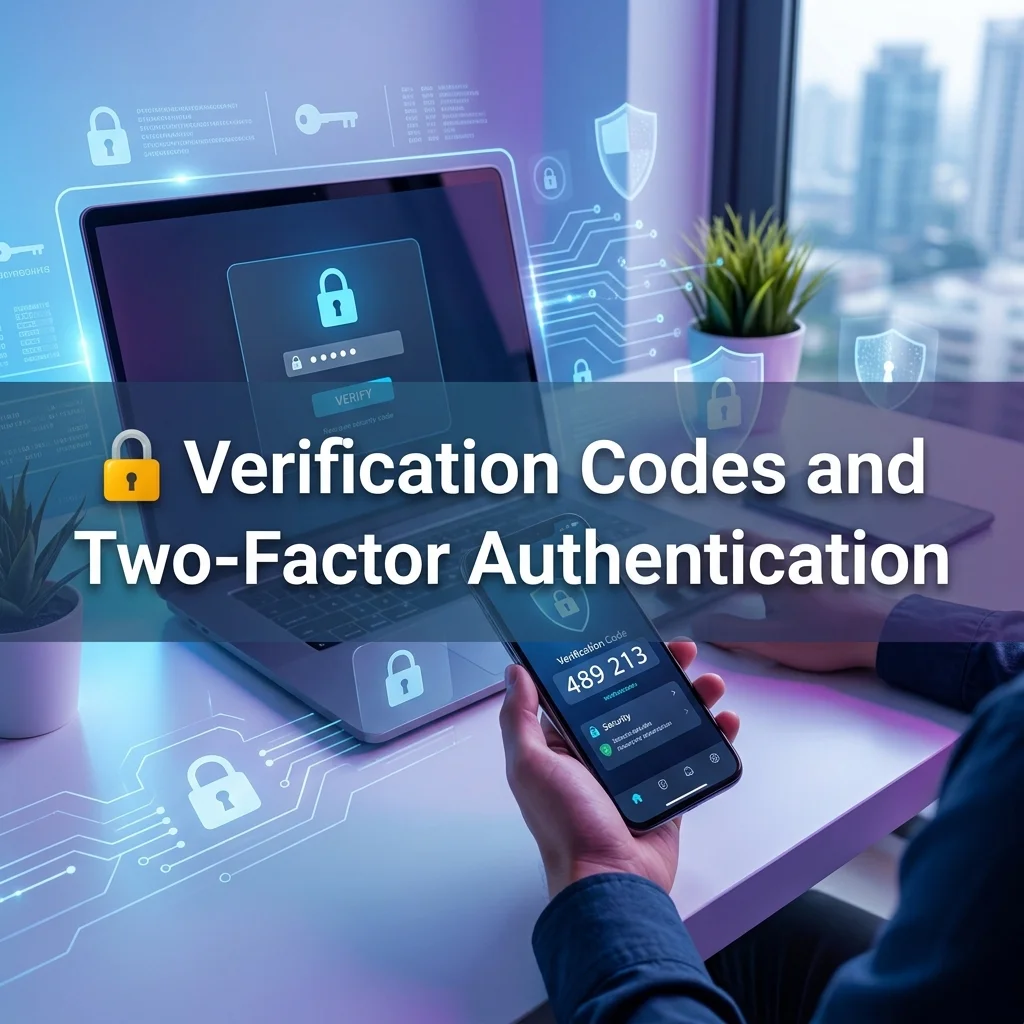
One of the most common uses of the 90831 short code is for verification purposes. Many online platforms use this number to send one-time passcodes (OTPs) for two-factor authentication.
How Verification Codes Work
When you attempt to log into an account or perform a sensitive action, the platform sends a temporary code to your phone via the 90831 short code. This process works as follows:
- You initiate the action: You attempt to log into a service that requires verification.
- The system generates a code: The platform creates a unique, time-sensitive code.
- The code arrives via 90831: You receive a text message from 90831 containing the verification code.
- You enter the code: You input the code into the platform to complete the action.
This extra security layer helps protect your accounts from unauthorized access. Even if someone has your password, they cannot log in without the verification code sent to your phone.
When to Expect Verification Codes
You might receive a verification code from 90831 in various situations:
- Login attempts: When you log into an account from a new device or location.
- Password changes: When you request to reset or change your account password.
- Sensitive transactions: When you perform high-value actions like money transfers or account changes.
- New account creation: When you sign up for a new service that requires phone verification.
📱 What Services Use the 90831 Short Code?
The 90831 short code is associated with several services, though identifying the specific sender can sometimes be challenging. Understanding which services commonly use this code helps you determine whether a message is legitimate.
Platforms Using 90831
Some users have reported receiving messages from 90831 related to accounts on services like WePlay. According to one user, “I’m getting a code from WePlay to 90831” when trying to log into their account . This suggests that online gaming and social platforms may use this short code for verification purposes.
Additionally, the 90831 short code appears in discussions about fraud prevention and scam awareness . Users have reported suspicious activities involving this number, making it essential to understand its legitimate uses and recognize potential scams.
How to Identify the Sender
When you receive a 90831 text message, the content usually indicates the sender. Legitimate messages typically include:
- The company name: The message will identify the service sending the code.
- Context for the code: It will explain why you received the code (e.g., “Your WePlay verification code is…”).
- No personal information requests: Legitimate messages will never ask for your password or other sensitive data.
🚨 Is the 90831 Text Message a Scam?
This question often concerns users who receive unexpected messages from 90831. Generally speaking, the 90831 short code itself is legitimate. Many services use it for verification and notifications.
However, there are important distinctions to understand. While the short code itself is legitimate, scammers can exploit the trust users have in short codes. Here are some scenarios to watch for:
Legitimate Messages
A legitimate 90831 text message typically occurs when:
- You requested a verification code: You were actively trying to log into a service.
- You signed up for notifications: You opted in to receive alerts from a service.
- You performed an action that triggered the message: The message is a response to something you did.
Potential Scam Scenarios
Be cautious if you receive a 90831 message under these circumstances:
- Unsolicited code: You receive a verification code without requesting one. This could mean someone is trying to access your account.
- Requests for the code: Someone calls or texts asking you to share the verification code. Legitimate services never ask for this.
- Urgent action requests: The message creates a false sense of urgency or threatens account suspension.
- Personal information requests: The message asks for sensitive data like passwords or credit card numbers.
🛡️ What to Do If You Receive an Unexpected 90831 Message
If you receive a verification code from 90831 that you didn’t request, follow these steps:
Do Not Share the Code
Never share a verification code with anyone, even if they claim to be from the service. These codes are for your eyes only and are the final barrier between a scammer and your account.
Secure Your Account
If you have an account with the service mentioned in the message, log into it through the official website or app. Change your password immediately and review recent activity for anything suspicious.
Check for Unauthorized Activity
Monitor your accounts for any unauthorized actions. If someone was attempting to access your account, they might try other methods.
Report Suspicious Messages
If you believe the message is a scam, report it to your mobile carrier. You can also forward spam texts to 7726 (SPAM) in the United States.
❌ Common Mistakes About 90813 Text Messages
Many people misunderstand the nature of the 90831 short code, leading to unnecessary concern or confusion.
Mistake 1: Assuming All 90831 Messages Are Spam
Some users see a 90831 message and immediately assume it’s spam. However, if you requested a verification code, the message is legitimate and necessary for accessing your account.
Mistake 2: Sharing the Code with “Support”
Some people share verification codes thinking they are helping support representatives. Never do this. No legitimate service will ever ask for your verification code.
Mistake 3: Ignoring Unexpected Messages
If you receive an unexpected 90831 message, do not ignore it. This could mean someone is trying to access your account. Taking action quickly can prevent fraud.
🔍 How to Distinguish Legitimate Messages from Scams
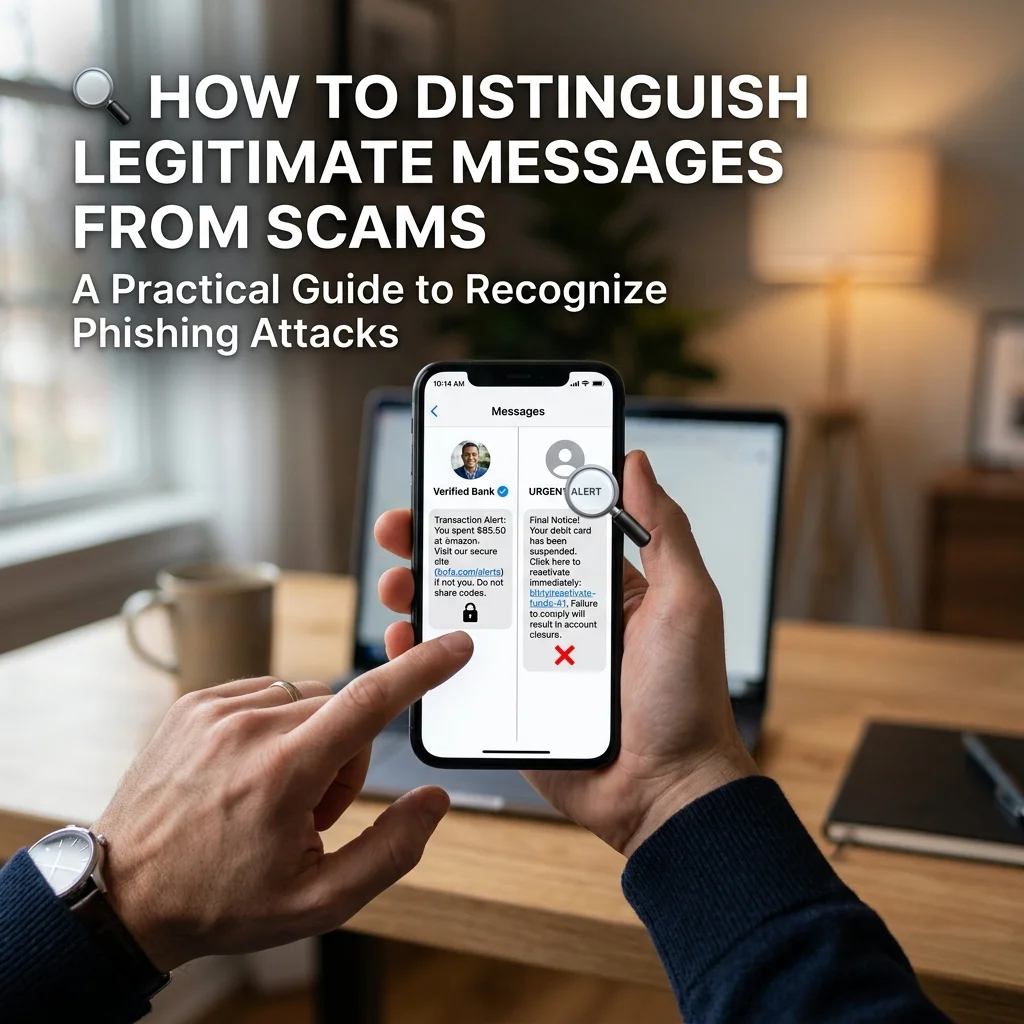
Identifying legitimate messages helps you stay safe. Here are some tips:
Check the Message Content
Legitimate messages typically:
- Identify the sender clearly
- Provide context for the message
- Do not contain grammatical errors or strange formatting
- Do not ask for sensitive information
Consider the Circumstances
Ask yourself:
- Did I request a verification code?
- Have I recently interacted with this service?
- Does the message match the expected format?
Verify Through Official Channels
If you are unsure, contact the service directly through their official website or customer service number. Do not use contact information provided in the suspicious message.
📋 Frequently Asked Questions
What is a 90831 text message?
A 90831 text message is a short code message used by various services for verification and notifications. Common uses include two-factor authentication codes and account alerts .
Is 90831 a legitimate short code?
Yes, 90831 is a legitimate short code. Services like WePlay use it for verification purposes . However, always verify the context of any message you receive.
Why did I get a verification code from 90831?
You likely received a verification code because you or someone else attempted to log into an account associated with your phone number. If you didn’t request the code, someone might be trying to access your account .
Should I share a 90831 verification code with someone?
No, never share a verification code with anyone. Legitimate services will never ask for your verification code. Sharing it could compromise your account security.
What should I do if I receive an unexpected 90831 text?
If you receive an unexpected 90831 text message, do not share the code. Secure your account by changing your password and monitoring for suspicious activity .
Can scammers use the 90831 short code?
Scammers can exploit trust in short codes, but the 90831 short code itself is legitimate. Always verify the context of any message you receive . Report suspicious messages to your carrier.
How can I identify the sender of a 90831 message?
The message content typically indicates the sender. Look for the company name and context in the message. If unsure, verify through official channels .
What if I keep getting verification codes from 90831?
If you repeatedly receive verification codes from 90831 without requesting them, it could indicate someone is trying to access your accounts. Secure your accounts immediately and consider changing your passwords .
✅ Conclusion
The 90831 text message is a legitimate short code used by various services for verification and notifications. While the code itself is safe, scammers may attempt to exploit it. Understanding what the 90831 code represents will help you interpret messages correctly and take appropriate action. Always verify the context of any message you receive, never share verification codes, and secure your accounts if you receive unexpected messages. Stay informed, stay secure, and trust your instincts when something doesn’t feel right.

Amelia Brooks is a passionate writer specializing in text meanings, slang, and digital communication trends. She simplifies modern messaging to help readers understand every text with ease.