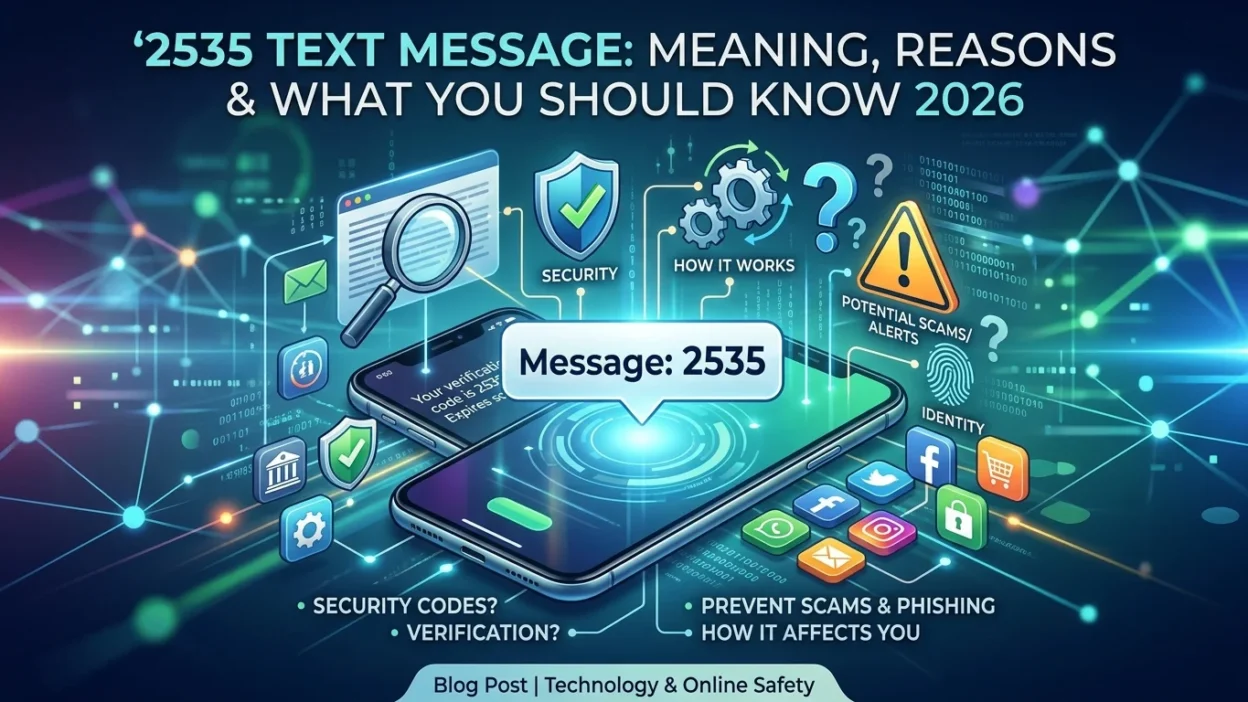
Receiving a text from an unfamiliar number can be confusing. When the sender is a short code like 2535, the confusion often multiplies. Is this a legitimate service you signed up for? Could it be a scam? Or perhaps it’s something else entirely? Understanding the different contexts of a 2535 text message will help you decide how to respond appropriately.
📌 What Exactly Is a 2535 Text Message?
When you receive a message from 2535, you are getting a communication from what industry professionals call a short code. Short codes are specialized 5-6 digit phone numbers designed specifically for high-volume, automated messaging. Organizations use them for various purposes, from security alerts to marketing campaigns and public service announcements.
Unlike standard 10-digit phone numbers, short codes are easier to remember and can handle thousands of messages per second. This makes them ideal for businesses and services that need to communicate with many customers quickly. Consequently, a 2535 text message typically comes from an automated system rather than an individual person. Understanding this distinction is the first step toward determining whether the message is legitimate.
🔍 Legitimate Uses of the 2535 Short Code
The 2535 short code serves several legitimate purposes across different regions and platforms. Understanding these will help you identify legitimate communications and distinguish them from potential scams.
T-Mobile Official Short Code
In the United States, T-Mobile uses 2535 as an official self-service short code for account notifications. One of its primary functions involves sending bill reminders to customers. When your monthly bill becomes available for viewing, T-Mobile may send you a text from this number.
The message typically comes as a simple notification prompting you to check your account balance or view your statement. This is a legitimate service for T-Mobile customers who have opted in to receive such alerts. If you are a T-Mobile customer and receive a 2535 text message, it could simply be your carrier keeping you informed about your account status. This is similar to how other carriers use different short codes for their notifications.
Turkish Municipal Services
In Turkey, the 2535 short code has served a different purpose. Specifically, municipalities have used it for public services, including helping citizens check their debt status with local governments. This innovative approach simplified citizen-government interactions.
For example, citizens could send specific commands with their identification number to 2535 to inquire about any outstanding debt to the municipality. The system would then respond with relevant account information. This demonstrates how short codes can serve as convenient public service tools that simplify government interactions and reduce the need for in-person visits.
Yemeni National Campaign
In 2016, Yemeni telecom companies launched a national campaign to support the Central Bank of Yemen. As part of this initiative, they used short codes for donation collection. The number 2535 was specifically designated for donating 500 Yemeni Rials to the campaign.
This shows that the 2535 short code has been used for official, government-backed initiatives in some regions. Consequently, this adds to its legitimate credentials and demonstrates its versatility across different contexts. Such campaigns often rely on short codes because they are accessible to people without internet access.
📱 Virtual Number for App Verification
In some countries, 2535 appears as a virtual number used for receiving verification codes. For instance, virtual number services have offered 2535 numbers in various regions for verifying accounts on different platforms, particularly in Southeast Asian markets.
In these cases, people use the number to receive One-Time Passwords (OTPs) for account creation or login verification. This is a legitimate use within the ecosystem of virtual numbers and app verification services. Many users who frequently sign up for multiple services find virtual numbers convenient for managing their verification needs.
📄 Stock Ticker Symbol Context
It is also worth noting that 2535 is the stock ticker symbol on the Hong Kong Stock Exchange for WK Group (Holdings) Limited, a structural steelwork contractor. This is a financial context completely unrelated to text messages. However, knowing about it can prevent confusion if you encounter the number in financial discussions or news articles.
🚨 Is 2535 a Scam Number?
The short answer is: it depends on the context. While 2535 has legitimate uses, scammers can spoof any number to appear legitimate. Consequently, you should always evaluate the content of any message you receive rather than relying solely on the sender’s number.
Understanding the Risk
Scammers often use spoofing techniques to deceive their targets. This means they can make a text appear to come from a legitimate short code like 2535 when it actually comes from a fraudulent source. Therefore, a 2535 text message could potentially be a scam attempt even if the number itself is legitimate.
A related toll-free number containing 2535 has been reported as problematic by some consumers. People have flagged this number for fake loan and debt collection scams, with callers impersonating financial institutions and trying to steal personal information. While this is a different number format, it highlights the prevalence of phone scams involving numbers containing 2535.
How to Spot a Scam Text
Look for these red flags when evaluating any message from 2535:
- The message asks for personal information like passwords, credit card numbers, or Social Security numbers
- It contains suspicious links you did not request or recognize
- It creates a sense of urgency, pressuring you to act immediately
- It claims you won a prize or are eligible for a loan you never applied for
- The sender is unfamiliar, and you have not opted in to receive messages
- The message contains grammatical errors or unusual formatting
- It asks you to reply with sensitive information
What to Do If You Get a Suspicious 2535 Text
If you suspect a message from 2535 is a scam, follow these steps to protect yourself:
- Do not reply to the message or click on any links included
- Do not share any personal or financial information under any circumstances
- Block the number on your phone to prevent future messages
- Report the message to your mobile carrier through their spam reporting service
- Delete the message from your phone afterward
🛡️ Handling Unexpected 2535 Messages
Not every unexpected message is a scam. Sometimes, they are legitimate alerts you may have signed up for without remembering. Here is how to handle different scenarios.
If You Are a T-Mobile Customer
If you have a T-Mobile account, a 2535 text message could be a legitimate bill notification. This is a service T-Mobile provides to help customers stay informed. If you receive such a message and do not want future notifications, you can typically opt out by replying “STOP” to the number. Additionally, you can manage your notification preferences through your T-Mobile account settings online.
If You Are Not a T-Mobile Customer
If you do not have a T-Mobile account but receive a 2535 text message, it is more likely to be unsolicited or potentially spam. In this case, treat it with caution and do not engage with it. Consider blocking the number and reporting it to your carrier.
If the Message Is a Verification Code
If the message contains a verification code you did not request, it may indicate someone is trying to use your phone number to access a service. Do not share the code with anyone, even if they claim to be from a legitimate company. If you have an account with the service mentioned, log in through the official app or website and change your password immediately.
🔑 Why Organizations Use Short Codes Like 2535
Organizations prefer short codes for several practical reasons that make them superior to standard phone numbers for certain communications.
High Delivery Rates
Short codes often have higher delivery rates than standard phone numbers. Carriers prioritize messages from short codes to ensure they reach recipients promptly and reliably. This is particularly important for time-sensitive messages like verification codes.
Brand Recognition
Memorable short codes help customers recognize legitimate communications from trusted brands. This builds trust and reduces confusion about message authenticity. When customers see a familiar short code, they know the message is from a trusted source.
Two-Way Communication
Many short codes support replies, allowing customers to interact with services by sending simple commands like “HELP” or “STOP.” This makes them versatile tools for customer engagement and self-service.
Security and Authentication
Short codes are a preferred method for sending OTPs because they are reliable and trusted by users. This makes them essential for modern security protocols like two-factor authentication.
💡 Common Mistakes to Avoid
When dealing with short code messages, people often make these errors that can compromise their security.
Mistake 1: Assuming All Short Codes Are Safe
Not every message from a short code is legitimate. Scammers can spoof numbers. Consequently, you should always evaluate the content carefully regardless of the sender.
Mistake 2: Sharing Verification Codes
Some people share verification codes with others, thinking they are being helpful. This is dangerous because these codes can grant access to your accounts. Never share them with anyone.
Mistake 3: Ignoring Unexpected Messages
If you receive an unexpected message, do not ignore it completely. It might indicate someone is trying to access your accounts. Check your accounts for suspicious activity promptly.
Mistake 4: Clicking Links Without Verification
Links in text messages can lead to phishing sites. Always verify the sender before clicking any links. When in doubt, access the service directly through its official app or website.
👑 Best Practices for Text Message Security
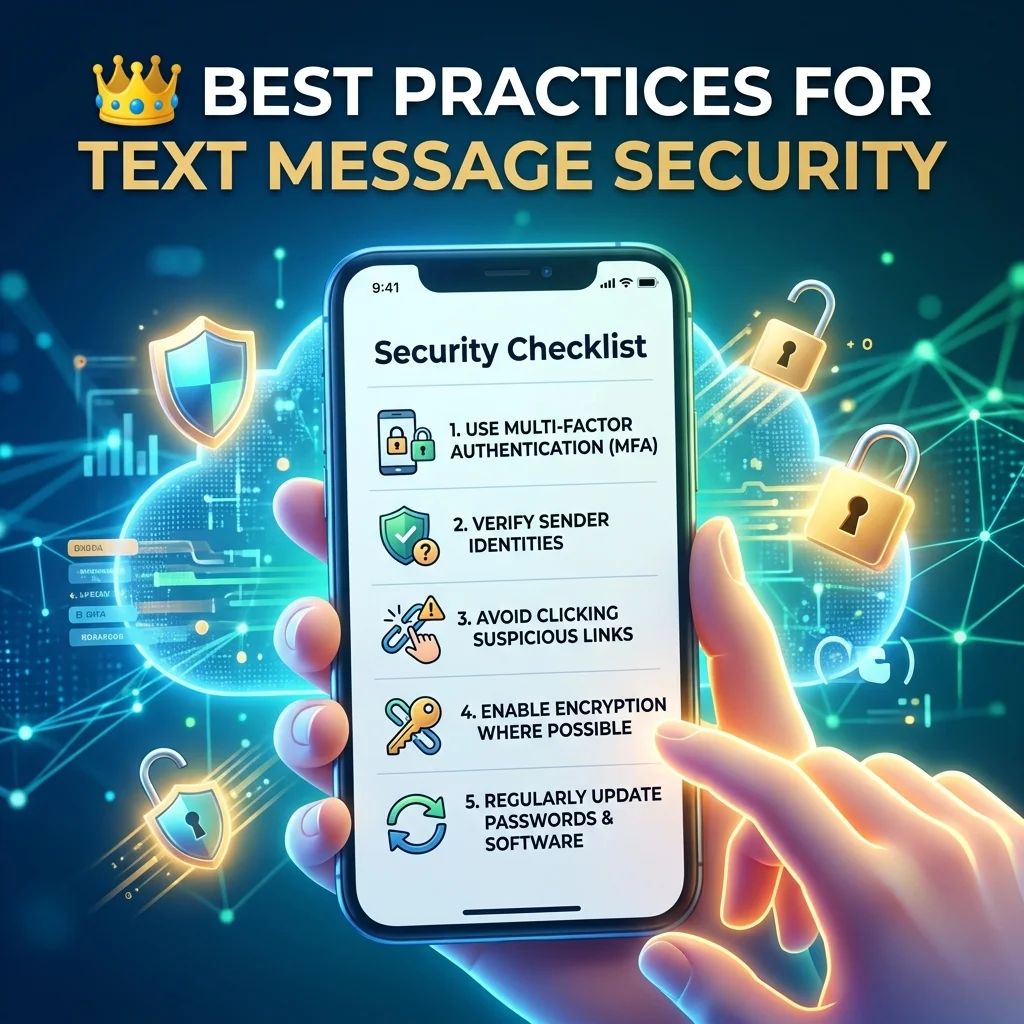
Following these best practices will keep your accounts and information secure from scammers.
Never Share Verification Codes
Verification codes are like temporary passwords. Never share them with anyone, even if someone claims to be from a legitimate company. Legitimate organizations will never ask for your verification code over the phone or via text.
Verify Sender Identity
If you are unsure about a message, contact the organization directly using official channels. Do not use contact information provided in the suspicious message itself. Look up the official customer service number on the company’s website.
Check Opt-In Status
If you receive marketing messages, check whether you actually signed up for them. If you do not recall opting in, you can reply “STOP” to unsubscribe. This will prevent future messages from that sender.
Report Spam Promptly
Reporting spam messages helps carriers identify and block scammers. This small action can protect others from similar scams. Most carriers have dedicated reporting mechanisms for spam texts.
Keep Your Accounts Secure
Use strong, unique passwords for all your accounts. Enable two-factor authentication where possible. This adds an extra layer of protection beyond just your password.
🌍 Regional Usage of 2535
The 2535 short code has been used differently across various regions. Understanding these differences can help you interpret messages correctly based on your location.
United States
In the U.S., 2535 is primarily associated with T-Mobile account notifications. It sends bill reminders and other account alerts to customers who have opted in.
Turkey
In Turkey, municipalities have used 2535 for public services. Citizens could check their debt status with local governments through this channel.
Yemen
In Yemen, 2535 was part of a national donation campaign supporting the Central Bank during a critical period.
Vietnam
In Vietnam, virtual number services have offered 2535 for receiving verification codes from various platforms.
❓ Frequently Asked Questions
Why did I get a text from 2535?
You likely received a 2535 text message because you have opted in to receive notifications from a service that uses this short code. In the United States, it is often T-Mobile sending account alerts about your bill. In other regions, it may serve different legitimate purposes, such as public services or donation campaigns.
Is 2535 a T-Mobile number?
Yes, 2535 is an official T-Mobile self-service short code. T-Mobile uses it to send notifications when your bill is ready for viewing. If you are a T-Mobile customer, messages from this number are likely legitimate account alerts. However, T-Mobile will never ask you for sensitive information via text.
Is 2535 a scam text?
It can be. Scammers can spoof any number, including 2535. Always evaluate the content of the message rather than relying solely on the sender number. If it asks for personal information, contains suspicious links, or seems urgent and unexpected, treat it with caution. Do not reply, click links, or share any information.
Can I stop receiving texts from 2535?
If you are receiving legitimate messages from 2535, you can typically opt out by replying “STOP” to the number. This will unsubscribe you from future notifications. If the messages are unsolicited spam, you can block the number through your phone’s settings and report it to your carrier.
What should I do if I receive a verification code from 2535?
If you receive a verification code from 2535, it likely means you or someone else is trying to verify an account using your phone number. If you did not request it, do not share the code with anyone. Log into any associated accounts and change your passwords immediately to secure them.
How can I report spam from 2535?
You can report spam messages to your mobile carrier. In many countries, you can forward suspicious texts to a designated short code like 7726. This helps carriers identify and block scam campaigns more effectively.
What happens if I accidentally reply to a scam text?
If you accidentally reply to a scam text, you may confirm to the scammer that your number is active. This could lead to more spam messages. Stop communicating immediately, block the number, and monitor your accounts for any suspicious activity. Change passwords if you shared any information.
Can businesses use 2535 for marketing?
Yes, businesses can use short codes like 2535 for marketing purposes. However, they must comply with regulations regarding consent and opt-out options. If you receive marketing messages from 2535, you should have previously opted in to receive them. If not, it may be spam.
✅ Conclusion
The 2535 text message serves multiple legitimate purposes across different regions and contexts. In the United States, T-Mobile uses the 2535 short code to send account notifications like bill reminders to its customers. In other regions, it has been used for municipal debt inquiries and national donation campaigns, demonstrating its versatility as a communication tool.
However, scammers can also spoof this number to appear legitimate. Therefore, you should always evaluate messages carefully rather than trusting the sender number alone. If you receive a 2535 text, consider the context. Are you a T-Mobile customer expecting an alert? Did you sign up for a service that uses this short code? If the answer is no, treat the message with caution.
Do not share personal information, click suspicious links, or reply if you are unsure about the message’s authenticity. Block the number and report any spam to your carrier. By staying informed and cautious, you can protect yourself from potential scams while still benefiting from legitimate short code communications. Remember, your security is ultimately your responsibility.

Amelia Brooks is a passionate writer specializing in text meanings, slang, and digital communication trends. She simplifies modern messaging to help readers understand every text with ease.