Receiving a text from an unfamiliar three-digit number like 456 can be confusing and even concerning. Is it spam? A scam? Or something legitimate you need to pay attention to? The answer depends on several factors, including your mobile carrier, your location, and the content of the message itself.
This comprehensive guide explains everything you need to know about the 456 short code, from legitimate uses to potential scams, and how to respond safely.
What Is a Short Code?
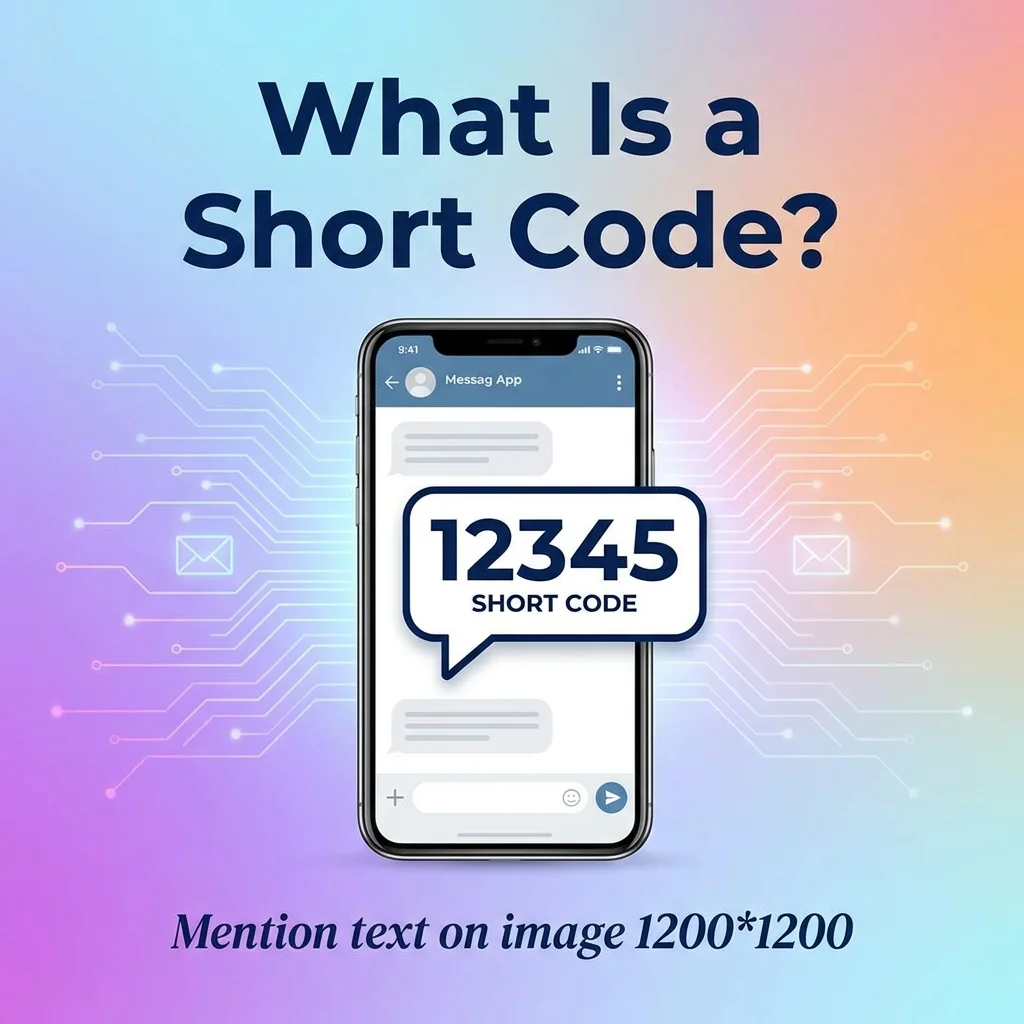
Before diving into the specifics of 456, it helps to understand what a short code actually is. A short code is a 3- to 6-digit number used by organizations to send text messages in bulk, often for alerts, marketing, or verification purposes . Unlike standard 10-digit phone numbers, short codes are designed specifically for high-volume business messaging and are regulated by mobile carriers.
In the United States telephone system, the number 456 is not a standard area code assigned to any city or state. While it was once designated for carrier-specific international services, that use was discontinued, and it is currently unassigned as a geographic area code . Instead, when you receive a text from a short number like this, it’s coming from an organization or system using that code for communication.
Legitimate Uses of the 456 Short Code
The 456 short code serves different legitimate purposes depending on your mobile carrier and location. Here are the most common official uses:
T-Mobile, Sprint, and Metro by T-Mobile Alerts (USA)
If you’re a customer of T-Mobile or its family of brands (including former Sprint and Metro by T-Mobile), 456 is an official short code used exclusively for service alerts . These are essential, non-promotional notifications about your account and network connection.
Common alerts from 456 include:
- Data usage warnings when you’ve used 50%, 75%, 90%, or 100% of your monthly allowance
- Roaming information when traveling internationally
- International Day Pass activation confirmations
- Account changes including SIM changes, PIN changes, line cancellations, number changes, port status, and autopay updates
These alerts are designed to help you avoid surprise charges and stay informed about your account. They will never ask you to reply with a password, full credit card number, or other sensitive personal details .
Important Note: Messages sent to 456 may receive a response back letting you know it isn’t a monitored channel and directing you to contact the Messaging department . This means you cannot use 456 to initiate customer service inquiries.
Verizon Data Usage Alerts (USA)
Verizon Wireless also uses 456 to send automated alerts about your data consumption . You’ll typically receive these texts when you have used 50%, 75%, 90%, and 100% of your monthly data allowance. These notifications help you avoid overage charges or inform you when your data speeds might be reduced, depending on your specific plan .
AARP Updates (USA)
The AARP (American Association of Retired Persons) uses the short code 456 to send updates and alerts to its members . These messages typically include:
- News and information on topics relevant to AARP members
- Advocacy and action items about legislation and petitions
- Membership reminders and updates
If you’re an AARP member or have recently engaged with their website or services, receiving a text from this number is likely legitimate .
Safaricom’s Unified Short Code (Kenya)
In Kenya, 456 serves a very different purpose. Safaricom has consolidated many of its services under a single unified short code: *456# . This is a “service transformation aiming to give Safaricom customers a transformed and enhanced experience while accessing the different services via short codes” .
Through *456#, customers can access:
- Get Deals: Access all Safaricom deals and promotions (*456*0#)
- BUY: Purchase data, SMS, minutes, Skiza, and other services (*456*1#)
- Okoa/Sambaza: Request Okoa Jahazi or share with friends and family (*456*2#)
- Bonga: Get rewards and redeem offers (*456*3#)
- Balances/Top Up: Check all balances and top up (*456*4#)
- M-PESA: Unlock M-PESA, check tariff, search paybill numbers (*456*5#)
- Activate: Activate Data manager, Blaze, and other services (*456*7#)
- Get PUK: Retrieve your PUK if PIN locked (*456*8#)
- Stop: Stop active subscriptions that keep renewing (*456*9#)
The unified short code provides convenience and simplicity, as customers no longer need to memorize different short codes for different services .
PLN Electricity Meter Alerts (Indonesia)
In Indonesia, the state electricity company PLN uses 456 as a short code for its smart electricity meters . Customers can use the format 456 + xx + Enter to set a minimum token credit reminder. For example, entering 45610 sets an alarm when remaining token credit reaches 10 kWh .
Scams and Phishing Attempts Using 456
Unfortunately, scammers are aware that 456 looks official, and they exploit this by “spoofing” the number. They can manipulate the sender information to make a fraudulent message appear to come from a simple, official-looking number .
How the Scam Works
Scammers send a text that appears to come from 456. These fraudulent messages often claim:
- You have a “gift” waiting
- Your bill has been paid and you need to claim a refund
- There’s a problem with your account that requires immediate action
The message will contain a link you’re prompted to click. This link leads to a malicious website designed to steal your personal information, such as login credentials, credit card details, or other sensitive data. Clicking the link can also potentially install malware on your device .
How to Identify a Fake 456 Text
Key indicators that a 456 text is a scam:
- Unexpected offers: A legitimate data alert from 456 will not offer gifts, prizes, or mention that your bill has been paid
- Suspicious links: Authentic carrier alerts do not typically contain links. Be extremely cautious of any message asking you to click a link to claim something
- Urgent or alarming language: Phishing scams often create a sense of urgency to pressure you into acting without thinking
The Squid Game Connection
The number 456 gained massive international recognition from the hit Netflix series Squid Game, where it was the main character’s player number. Following the show’s popularity, a wave of scams and prank calls emerged using the number 456 to lure in unsuspecting fans . A text might reference the show to seem intriguing and get you to engage.
Fraudulent Websites Using “456”
Be aware of websites like 456ads.com and 456.binanceltd.co that use “456” in their domain names to appear legitimate. These sites have been identified as scams . According to security analysis, 456ads.com operates as a platform associated with financial opportunities, employing tactics commonly associated with financial scams such as Ponzi schemes and advance fee fraud . Similarly, 456.binanceltd.co has a very low trust score indicating a strong likelihood the website is a scam .
Safaricom M-PESA Scams
In Kenya, scammers often send fake M-PESA messages that appear genuine. Instead of displaying an actual balance, these fake messages may show “LOCKED” or other alarming statuses . Scammers create emotional stories—often claiming they mistakenly sent money intended for a critically ill relative’s medical treatment .
Protection measure: Safaricom advises that if you receive a suspicious M-PESA message, you should not refund the money. Instead, request the sender to forward the message to 456 or call Safaricom for assistance . This helps verify the transaction’s authenticity.
Customers should also forward suspicious messages to 333 to ensure the numbers are blocked and other customers won’t be defrauded in the future .
How to Safely Handle a Text from 456
When you receive a strange or unexpected text from 456, your best defense is to not engage at all. Follow these simple security steps:
Do Not Reply
Replying to a spam text—even with “STOP”—confirms to the sender that your number is active and monitored. This can lead to you receiving even more unwanted messages . Legitimate alerts from T-Mobile and Verizon are informational only and don’t require a response.
Do Not Click Any Links
The primary goal of a phishing text is to get you to click a link. Never click on links from unknown or unsolicited messages. If the text claims to be from a company you do business with, go directly to their official website or app instead .
Never Provide Personal Information
No legitimate company will ask you to provide a password, PIN, or other sensitive data via a text message . Banks, carriers, and government agencies do not request personal information through SMS.
Delete and Block
The safest action is to delete the message immediately. You can also use your phone’s built-in features to block the sender’s number .
Report Spam
You can report spam texts by forwarding them to 7726 (SPAM) . This helps carriers identify and block spam sources .
Verify Independently
If the text claims to be from T-Mobile, Verizon, or another company, contact them using the official number on their website—do not call the number that texted you.
Can You Stop Messages from 456?
T-Mobile and Verizon Customers
In most cases, you cannot and should not stop messages from the 456 short code. These are considered essential “transactional” and “informational” alerts, not optional marketing messages . Replying with “STOP” will likely have no effect. Blocking the number is not recommended, as it would prevent you from receiving critical information about your account, especially roaming charge warnings that could save you money .
AARP Messages
If you’re receiving AARP messages from 456 and wish to stop them, you can reply with standard keywords like STOP, END, or UNSUBSCRIBE . This should remove your phone number from their messaging list.
Safaricom Customers
Messages from *456# are service access codes, not marketing messages. You cannot “stop” them as they’re functional codes for accessing services.
Frequently Asked Questions
Is 456 a scam number?
No, the short code 456 itself is not a scam. It’s used legitimately by T-Mobile, Verizon, AARP, Safaricom (Kenya), and PLN (Indonesia). However, scammers can “spoof” the number to send fake messages. Always check the content carefully .
What does 456 mean on T-Mobile?
On T-Mobile, 456 is an official short code for essential account alerts. These include data usage warnings, roaming information, International Day Pass updates, and notifications about account changes .
What does 456 mean on Verizon?
On Verizon, 456 is used to send automated alerts about your data consumption. You’ll receive these texts at 50%, 75%, 90%, and 100% of your data usage .
Why did I get a text from 456 if I didn’t leave the country?
This can happen if you’re in a U.S. location very close to the Canadian or Mexican border, and your phone briefly connects to a cell tower in the neighboring country. It can also occur on cruise ships or when you travel to a domestic area where T-Mobile uses a roaming partner .
Is 456 from AT&T?
No. The 456 short code is used exclusively by T-Mobile and its subsidiary brands, not AT&T . If you’re an AT&T customer and receive a text from 456, it’s either a spoofed message or not from AT&T.
How do I know if a 456 text is real?
A real 456 text will provide information but will not ask you to reply with your password, full credit card number, or other sensitive personal details. Legitimate messages also typically do not contain links .
What is *456# in Kenya?
*456# is Safaricom’s unified short code that provides access to multiple services including buying data, checking balances, M-PESA services, and more—all from a single number .
Can I reply STOP to 456?
For T-Mobile and Verizon alerts, replying “STOP” will likely have no effect as these are transactional alerts, not marketing messages . For AARP messages, replying “STOP” will unsubscribe you .
What should I do if I clicked a link in a suspicious 456 text?
If you clicked a suspicious link:
- Don’t enter any information
- Run a security scan on your device
- Change your passwords
- Monitor your accounts for suspicious activity
- Consider freezing your credit if you entered sensitive information
What is the 456 area code?
456 is not a standard geographic area code in the North American Numbering Plan. There is no city or region assigned to 456 .
Comparison Table: 456 Uses by Region
Location/ProviderWhat 456 RepresentsPurposeAction RequiredT-Mobile (USA)Official short codeAccount alerts, data warnings, roaming infoNone – informational onlyVerizon (USA)Official short codeData usage alertsNone – informational onlyAARP (USA)Official short codeMember updates and advocacy alertsReply STOP to unsubscribeSafaricom (Kenya)Unified short code (*456#)Access to multiple servicesDial *456# to use servicesPLN (Indonesia)Short codeElectricity meter alertsUse 456+xx to set alertsScammers (Global)Spoofed numberPhishing attemptsDon’t reply or click links
Conclusion
The 456 text message can mean very different things depending on who you are and where you live. However, scammers exploit the official look of “456” to send phishing messages. The golden rule: legitimate 456 messages inform—they don’t ask for action. They won’t ask for your password, credit card number, or other sensitive information. They won’t pressure you to click links.
By understanding the legitimate uses of 456 and staying alert to red flags, you can confidently handle any message from this short code—knowing whether to read, ignore, or report it.

Amelia Brooks is a passionate writer specializing in text meanings, slang, and digital communication trends. She simplifies modern messaging to help readers understand every text with ease.