You’re going about your day, and suddenly your phone buzzes with a text from an unfamiliar five-digit number: 24255. Maybe it’s a verification code you didn’t request. Perhaps it’s a purchase confirmation for something you don’t remember buying. Or it could be a payment reminder that catches you off guard. Whatever the message says, one question immediately comes to mind: Who is this, and why are they texting me?
This is an increasingly common experience. Short codes like 24255 have become the backbone of modern business communication, used by companies to send everything from two-factor authentication codes to promotional offers. Understanding what the 24255 text message means—and whether you should trust it—is essential for protecting your personal information and managing your digital life.
This comprehensive guide covers everything you need to know about the 24255 short code: who owns it, why you might receive messages from it, how to tell legitimate texts from scams, and what to do if you’re getting unwanted messages.
What Is a Short Code and Why Do Companies Use Them?
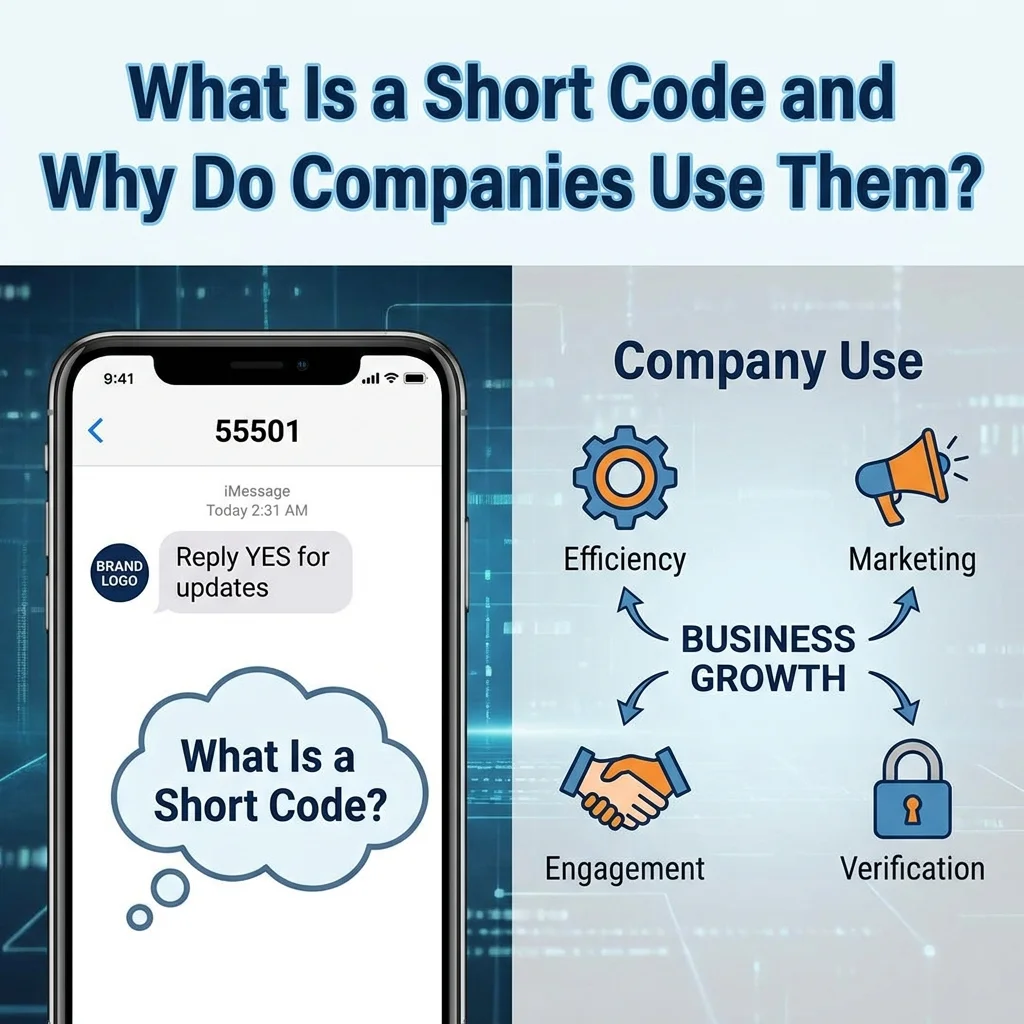
Before diving into the specifics of 24255, it helps to understand what short codes actually are. A short code is a five- or six-digit number that businesses use to send SMS and MMS messages to mobile phones. Unlike regular phone numbers, short codes are specifically designed for high-volume messaging.
Short codes serve several important purposes. For one thing, they’re easier to remember than standard ten-digit phone numbers, making it simpler for customers to opt in to services or respond to messages. Additionally, they allow companies to send large numbers of texts simultaneously, which is essential for things like appointment reminders and account alerts.
Perhaps most importantly, short codes are regulated and monitored. This means there’s a layer of accountability that helps prevent spam and fraud. Each short code is registered to a specific company, and users can typically reply with keywords like “HELP” to get more information or “STOP” to unsubscribe from messages. This regulation is what helps distinguish legitimate business texts from the more dubious messages you might encounter.
Who Owns the 24255 Short Code?
The short code 24255 is primarily registered to Affirm, the popular “Buy Now, Pay Later” financial services company. This is the organization behind most messages you’ll receive from this number.
Specifically, 24255 is used by Affirm for a range of customer communications, including:
- Two-factor authentication codes – When someone logs in to or attempts to log in to an Affirm account, the company sends a verification code to confirm their identity. This is the most common reason people receive texts from 24255.
- Purchase confirmations – After completing a Buy Now, Pay Later checkout, Affirm sends a confirmation message detailing the transaction.
- Payment reminders – These messages alert customers to upcoming due dates or notify them of recent charges made to their account.
- Virtual card alerts – If you ever created a one-time virtual card through Affirm, that card remains in their system. Months later, when a merchant tries to charge it for a subscription renewal, 24255 sends you an alert—even if you haven’t opened the Affirm app in ages. This particular scenario often catches people off guard.
Beyond Affirm, the 24255 short code is also associated with AT&T. It can be used for carrier billing notifications, payment confirmations, billing reminders, and account updates for mobile customers. This dual ownership means you might receive messages from 24255 even if you’ve never used Affirm, simply because you’re an AT&T customer who has opted into certain notifications.
Why Did I Receive a 24255 Text Message?
There are several legitimate reasons you might receive a 24255 text message. Understanding these can help you determine whether the message you’ve received is expected or a potential security concern.
Two-Factor Authentication Codes
This is by far the most common reason people receive texts from 24255. When someone logs in to an Affirm account associated with your phone number, the system sends a verification code to confirm the login attempt. This is a standard security protocol designed to protect accounts from unauthorized access.
If you’ve recently tried to access your Affirm account, this message is completely normal. However, if you receive an unexpected verification code, it could mean one of two things: someone accidentally typed your phone number into their own login attempt, or someone is actively trying to access your Affirm account without your permission. In either case, you should never share the code with anyone.
Purchase and Payment Confirmations
When you make a purchase using Affirm’s Buy Now, Pay Later service, the company sends a confirmation text to let you know the transaction was processed successfully. These messages typically include the purchase amount and the merchant’s name. Similarly, payment reminders alert you to upcoming due dates or notify you when a payment has been processed.
Virtual Card Notifications
As mentioned earlier, virtual card alerts can be a source of confusion. If you’ve ever used Affirm to generate a one-time virtual card, that card is stored in their system. If a merchant later attempts to charge that card—perhaps for a subscription renewal—24255 will send you a notification. This can be surprising if you haven’t thought about that virtual card in a long time.
AT&T Billing Notifications
For AT&T customers, 24255 may send messages related to your mobile account. These could include payment confirmations, billing reminders, or account updates. These messages are legitimate and part of AT&T’s customer communication system.
Promotional Messages
If you’ve opted in to marketing communications from Affirm, you might receive promotional offers or deal notifications from 24255. These messages are typically less frequent than transactional alerts and should comply with opt-in requirements.
Is the 24255 Text Message Legitimate or a Scam?
The short code itself is legitimate. However, the real question is whether the message you received is authentic. Scammers are known to mimic legitimate short codes, and 24255 is no exception.
The threat level for 24255 messages is generally considered moderate. This means that while most messages from this number are genuine, there are some specific scenarios that should raise a red flag.
When the Message Is Safe
A verification code you requested is a standard security protocol and is completely safe. A single unexpected code is likely harmless and often means someone simply typed your number by mistake. Routine messages about transactions, payments, or billing that don’t ask for sensitive information are also safe to receive, even if they catch you off guard.
When You Should Be Suspicious
Multiple unexpected codes could indicate a potential account takeover attempt. If you receive several verification codes you didn’t request, it’s worth investigating. More importantly, if the message asks for passwords, your Social Security number, or bank details, it is almost certainly a scam.
How Smishing Attacks Use 24255
Smishing is a form of phishing that uses SMS messages to trick people into revealing sensitive information. Scammers can’t easily spoof the actual 24255 short code, but they can craft convincing fake messages that appear to come from Affirm or AT&T. These fraudulent messages often contain links to lookalike websites designed to steal your credentials. You enter your username and password thinking you’re securing your account—but you’ve just handed your credentials to criminals.
How to Tell the Difference Between Real and Fake Messages
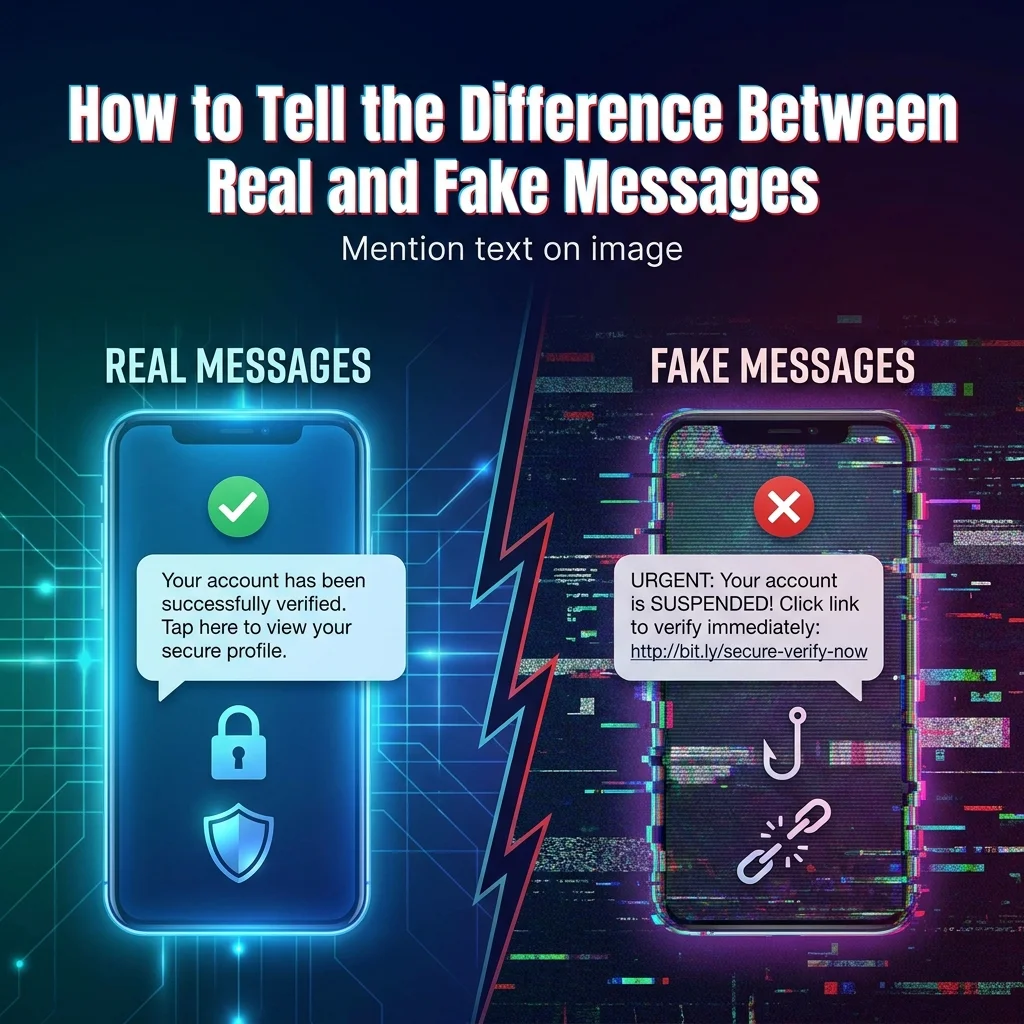
Distinguishing between legitimate 24255 messages and scams requires attention to detail. The following table can help:
FeatureOfficial Affirm/AT&T MessagePhishing AttemptLinks RequestsVerification codes, payment summariesPasswords, SSN, bank detailsToneInformational, no urgency”Act now!” or “Account will be closed!”Follow-upNone—codes are one-wayCalls asking you to share the code
Source:
How to Stop Getting 24255 Messages
If you’re receiving too many messages from 24255 or believe you’re getting texts you didn’t sign up for, there are several ways to stop them.
Using the STOP Command
In the United States, regulations require that keywords like “STOP,” “QUIT,” “CANCEL,” “UNSUBSCRIBE,” or “END” effectively remove users from a campaign. The simplest way to stop receiving unwanted messages is to reply to the 24255 message with the word “STOP”. This should unsubscribe you from future communications.
Contacting Affirm Directly
If replying with “STOP” doesn’t resolve the issue, you can contact Affirm’s support team directly. However, note that texting “HELP” to 24255 may result in a response indicating that Affirm cannot receive inquiries at that number and directing you to their help center at Contacting support through the official website or app is the most reliable way to address issues with Affirm communications.
Reporting Unwanted Messages
If you believe you’re receiving messages without consent, you can report this to the appropriate authorities. In many countries, there are regulatory bodies that oversee SMS marketing and can investigate complaints. You can also report the issue to your mobile carrier, who may be able to block messages from the short code at the network level.
Checking Opt-In Preferences
If you accidentally opted in to messages you don’t want, checking your account preferences with Affirm or AT&T is a good step. There may be notification settings that you can adjust to reduce the frequency of messages.
What If You Receive a Verification Code You Didn’t Request?
This is one of the most concerning scenarios. If you receive a text from 24255 containing a verification code and you didn’t just attempt to log in to Affirm, here’s what you should do:
First, don’t panic. In many cases, someone simply mistyped their phone number when trying to log in to their own account. This is more common than you might think. However, there’s also a possibility that someone is actively trying to access your Affirm account.
Second, don’t share the code with anyone. Legitimate companies will never ask you to share a verification code over the phone, email, or text. If someone contacts you asking for this code, it’s a scam.
Third, change your passwords. If you’re concerned that your account may be at risk, log in to your Affirm account (by typing the URL directly, not through any links in the text message) and change your password. Enable any additional security features available.
Fourth, monitor your account. Keep an eye on your Affirm account for any unauthorized activity. If you see transactions you don’t recognize, contact Affirm support immediately.
24255 vs. 24254 and 24256
The numbers 24254, 24255, and 24256 are sequential, but they have no known relation to one another in terms of text messaging services. 24255 is the specific short code for Affirm and AT&T. The numbers before and after do not correspond to any widely recognized SMS short codes and are simply mathematical neighbors.
24255 in Other Contexts
The sequence 24255 appears in several other contexts unrelated to text messaging. Knowing these can help avoid confusion if you encounter the number outside of SMS.
ISO 24255:2025 – Essential Oil of Clary Sage
In the world of international standards, ISO 24255:2025 is a document that specifies characteristics of the essential oil of clary sage (Salvia sclarea L.) “prewilted” French type and “chopped” French type. This standard was published in March 2025 and is used to assess the quality of this particular essential oil.
GOST 24255-80 – Carbide Cutting Inserts
GOST 24255-80 is a Soviet-era standard for rhombic-shaped carbide cutting inserts with a 55-degree angle and a hole. It was introduced in 1982 and has been used in manufacturing to standardize the dimensions and construction of these tools.
SKF CR 24255 – Radial Shaft Seal
SKF CR 24255 is a radial shaft seal with specific dimensions: 61.925mm inner diameter, 79.380mm outer diameter, and 12.700mm thickness. This is used in various industrial applications.
Asteroid (24255)
(24255) 1999 XR124 is an asteroid discovered on December 7, 1999, by the Catalina Sky Survey.
Mathematical Properties of 24255
The number 24255 is a composite number with prime factorization 32×5×72×1132×5×72×11. It has 36 divisors, making it a mathematically interesting number, but it holds no special significance in the context of text messaging.
Frequently Asked Questions About 24255 Text Messages
What is the 24255 text message?
The 24255 text message is a short code communication primarily sent by Affirm for two-factor authentication, purchase confirmations, and payment reminders. It is also used by AT&T for billing and account notifications.
Why did I get a text from 24255?
You likely received a text from 24255 because someone (possibly you) attempted to log in to an Affirm account, you made a purchase using Affirm’s Buy Now, Pay Later service, or you are an AT&T customer receiving billing notifications.
Is 24255 a scam number?
No, 24255 is a legitimate short code registered to Affirm and AT&T. However, scammers can send fake messages that appear to come from this number, so always check the message content for suspicious links or requests.
How do I stop 24255 messages?
You can stop messages from 24255 by replying with “STOP” to the short code. This should unsubscribe you from future communications. If the issue persists, contact Affirm support directly.
What if I receive a verification code I didn’t request?
If you receive an unexpected verification code from 24255, do not share it with anyone. In most cases, it’s just someone who mistyped their phone number. However, if this happens repeatedly or if you’re concerned about your account security, change your passwords and monitor your account for unauthorized activity.
Can 24255 send promotional messages?
Yes, if you’ve opted in to receive promotional communications from Affirm or AT&T, you may receive marketing offers from 24255. These should comply with opt-in regulations.
Is it safe to click links in 24255 messages?
Only click links that are clearly from suspicious domain names, or URLs that mimic legitimate company websites.
Conclusion: Staying Safe with Short Code Communications
The 24255 text message is a legitimate part of modern digital life, helping secure accounts and keep customers informed about transactions and billing. Understanding who owns this short code, why you might receive messages from it, and how to distinguish between real and fake communications is essential for protecting your personal information.
A few simple habits can help: never share verification codes with anyone, always verify links before clicking, and use the “STOP” command to unsubscribe from unwanted messages. When in doubt, contact the company directly through their official website or app—not through any numbers or links provided in a suspicious text.
Staying informed about short codes like 24255 puts you in control of your digital communications. Knowledge is your best defense against both confusion and fraud.

Amelia Brooks is a passionate writer specializing in text meanings, slang, and digital communication trends. She simplifies modern messaging to help readers understand every text with ease.