
Have you ever received a text message from 313131 and wondered what it means or whether it’s legitimate? You’re not alone. This six-digit number appears in various contexts, from legitimate organizational communications to potential scam operations. Understanding what the 313131 text message represents is essential for protecting yourself and knowing how to respond appropriately.
This comprehensive guide explains everything you need to know about the 313131 short code, its legitimate uses, and the red flags that might indicate fraudulent activity.
📌 What Is a Short Code and Why Does 313131 Matter?
A short code is a 5- or 6-digit phone number that organizations use to send SMS and MMS messages to mobile phones in bulk. Unlike standard 10-digit phone numbers, short codes are designed for high-volume automated messaging. Consequently, they make ideal tools for marketing campaigns, alerts, and verification services.
The 313131 text message originates from a registered short code used by various organizations. Because short codes are registered and regulated, they can be legitimate communication channels. However, scammers can also exploit these systems. Therefore, understanding the specific context of each message you receive becomes crucial.
✅ Legitimate Uses of the 313131 Short Code
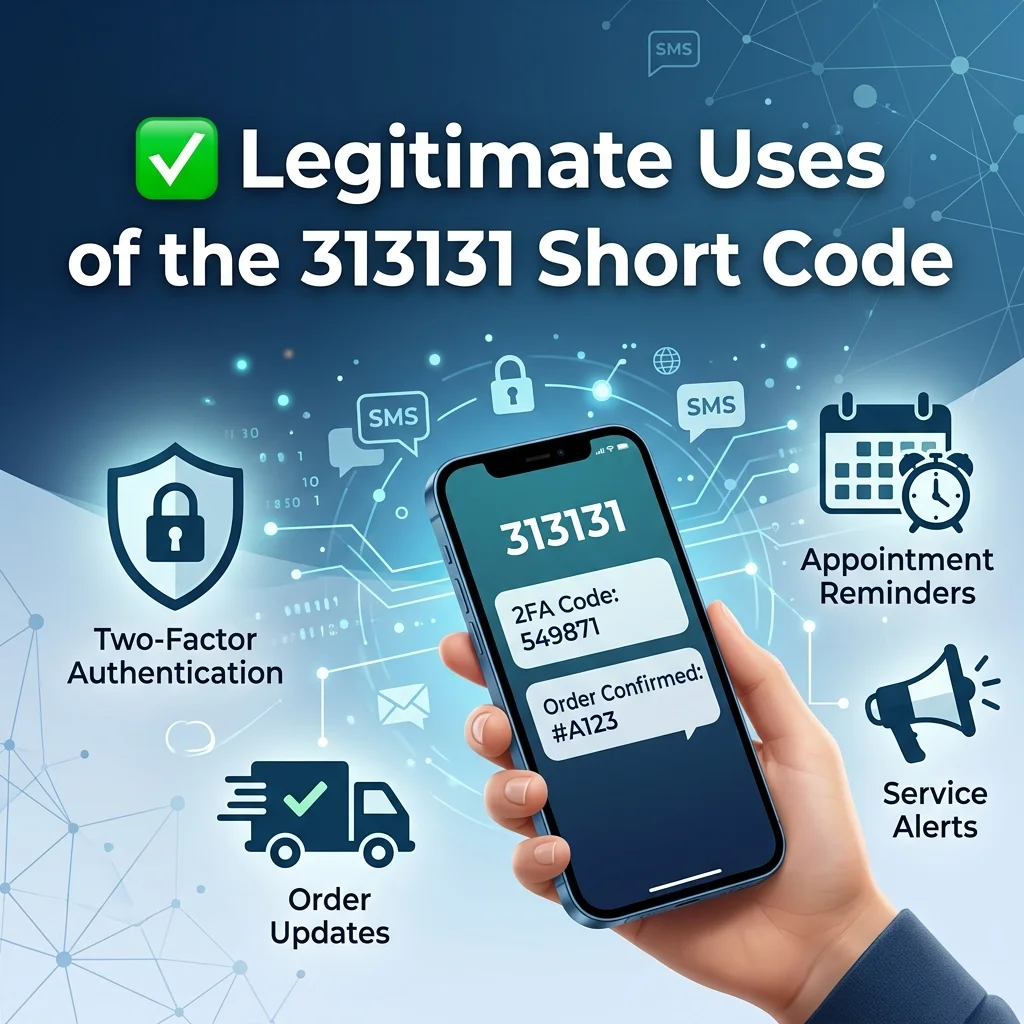
Several organizations have used the 313131 short code for legitimate purposes. Recognizing these can help you identify authentic messages and distinguish them from potential scams.
Student Activism and Flash Protests
One documented use of the 313131 short code was by Students For The National Equality March. The organization rented the keyword NOH8 on the 313131 shared short code for their flash protest campaign. Participants could text “NOH8” to 313131 to receive information about a flash protest in Washington DC regarding the repeal of “Don’t Ask Don’t Tell.”
The campaign reached participants through multiple channels. For instance, Facebook calls to action reached over 4,000 fans. Similarly, Twitter retweets helped spread the message virally. Additionally, the organization sent emails to 2,000 student leaders and posted on their official blog.
On October 10th, the organization sent a text message to 827 participants with meeting details for the flash protest. This demonstrates how organizations can use the 313131 short code for legitimate informational campaigns. The campaign was well-organized and provided clear value to participants.
Union Updates and Member Communications
Another legitimate use involves labor unions. SEIU Local 1991 uses the short code 313131 for text updates to their members. These messages provide union members with important information and alerts about workplace issues, contract negotiations, and other relevant matters.
The service includes standard opt-out instructions. Specifically, recipients can reply “STOP” to unsubscribe from future messages. Alternatively, they can text “HELP” for assistance. This transparency is a hallmark of legitimate messaging programs.
Opt-In and Opt-Out Mechanisms
For all legitimate campaigns using the 313131 short code, federal regulations require that recipients can easily opt out. Standard keywords like “STOP,” “QUIT,” “CANCEL,” “UNSUBSCRIBE,” or “END” should remove users from the messaging program.
Legitimate organizations will also provide instructions for how to get help. Typically, they instruct users to text “HELP” to the short code for assistance. This ensures that recipients have clear channels for support and can easily manage their preferences.
🚨 Scams and Fraudulent Activity Involving 313131
Unfortunately, scammers also target users through messages related to 313131. Being aware of these schemes can help you avoid becoming a victim. Scammers are constantly evolving their tactics, so staying informed is essential.
Sports Betting Spam
Several users have reported receiving spam text messages from 313131 promoting sports betting. These messages typically contain unsolicited advertising for betting platforms. Many users report that the messages “won’t stop,” indicating persistent spam campaigns.
These messages often promise easy winnings or exclusive betting opportunities. However, they are usually designed to collect personal information or direct users to fraudulent betting sites. If you receive such messages, do not engage with them.
Fraudulent Trading Platforms
A significant scam involves fake cryptocurrency trading platforms using names like “313 Exchange” or “313交易所.” These platforms claim to be legitimate cryptocurrency exchanges. However, they are actually fraudulent schemes designed to steal users’ money.
According to reports from fraud awareness websites, these platforms operate as “contract trading” schemes. Users cannot buy actual cryptocurrency (spot trading). Instead, they can only participate in contract trading that the platform controls. The platform’s operators can manipulate the system, with the “entire platform being like a single-player game controlled by the operator.”
Key red flags associated with these scams include:
- Unrealistic Promises: Claims of “guaranteed profits” with 0.8-0.9% returns per session. These numbers are highly unrealistic in legitimate markets.
- High Fees and Withdrawal Restrictions: One scheme reportedly charged 10% fees and required “one times turnover” for withdrawals. These conditions make it nearly impossible to access your money.
- Exploitation of Trust: Some scammers use fake screenshots and email addresses to collect sensitive information. They may even impersonate legitimate trading platforms.
- Aggressive Recruitment Tactics: Marketing through encrypted messaging apps and social media to recruit new victims. Scammers often target vulnerable individuals looking for quick money.
These fraudulent platforms typically follow a predictable pattern. First, they attract users with promises of easy money. Then, they create trust through small initial withdrawals. Finally, they disappear with users’ funds once they have collected enough money. One reported scheme called “313 Exchange” operated from approximately June 2025 until September 2025 before shutting down and taking users’ money.
Phishing Attempts
Some scammers send messages claiming to be from legitimate organizations. They may ask for personal information like passwords, Social Security numbers, or bank details. Legitimate organizations will never ask for such information via text message.
Phishing attempts often create a false sense of urgency. For instance, they may claim your account has been compromised or that you need to verify your identity immediately. This pressure tactic is designed to prevent you from thinking critically about the message.
🔍 What to Do If You Receive a 313131 Text Message
When you receive a 313131 text message, follow these steps to determine whether it’s legitimate. Taking the right actions can protect you from scams.
Step 1: Read the Message Carefully
Is the message from an organization you recognize? Does it relate to something you signed up for? Legitimate messages will clearly identify the sender and provide context. If you’re unsure, don’t respond immediately.
Check for any spelling or grammatical errors, which are common in scam messages. Additionally, look for the organization’s name and contact information. Legitimate messages will include these details.
Step 2: Check for Opt-Out Instructions
Legitimate short code programs include opt-out instructions. If you want to stop receiving messages, you can typically reply “STOP” to 313131. If this doesn’t work, contact your mobile carrier for assistance.
The presence of clear opt-out instructions is a good sign. Scam messages often lack these instructions or make it difficult to unsubscribe.
Step 3: Don’t Click Suspicious Links
Avoid clicking any links in unsolicited messages. Scammers often use text messages to direct victims to fake websites designed to steal personal or financial information.
If you need to verify a message’s legitimacy, visit the organization’s website directly. Type the URL into your browser rather than clicking any links in the message.
Step 4: Report Suspicious Messages
If you receive a suspicious message, you can take several actions. First, forward it to 7726 (SPAM) to report it to your carrier. This helps carriers identify and block spam campaigns.
Additionally, you can report the scam to the FTC if you’re in the United States. The FTC collects reports of fraud and uses them to investigate and take action against scammers.
Step 5: Stop Further Messages
If you’re receiving unwanted messages from 313131, you can take action. First, reply “STOP” to unsubscribe from the messaging program. If messages continue, contact your carrier to block the short code. Finally, report persistent spam to your carrier.
Blocking the short code on your phone is also an option. Most smartphones allow you to block specific numbers or short codes, preventing future messages from coming through.
⚠️ Warning Signs of a Scam
Scammers constantly evolve their tactics. Watch for these red flags when receiving any unsolicited text message.
Unsolicited Messages
You didn’t sign up for the service or provide your phone number. Legitimate organizations typically require your consent before sending messages. If you don’t remember signing up, be cautious.
Promises of Easy Money
Claims of guaranteed returns or “risk-free” investments are almost always scams. Legitimate investments always carry some risk. If something sounds too good to be true, it probably is.
Pressure to Act Quickly
Scammers create urgency to prevent you from thinking critically. They may claim that you’ll miss out on an opportunity if you don’t act immediately. Take your time and verify the message before taking any action.
Requests for Personal Information
Legitimate services won’t ask for passwords, Social Security numbers, or bank details via text. If a message asks for this information, it’s almost certainly a scam. Never share sensitive information in response to unsolicited messages.
Suspicious Links
Links that look slightly wrong or lead to unfamiliar websites are red flags. Always check the URL before clicking. If the link appears suspicious, don’t click it.
Poor Grammar and Spelling
Scam messages often contain spelling errors and awkward phrasing. Legitimate organizations typically proofread their communications. If a message seems poorly written, be cautious.
🛡️ Protecting Yourself from Short Code Scams
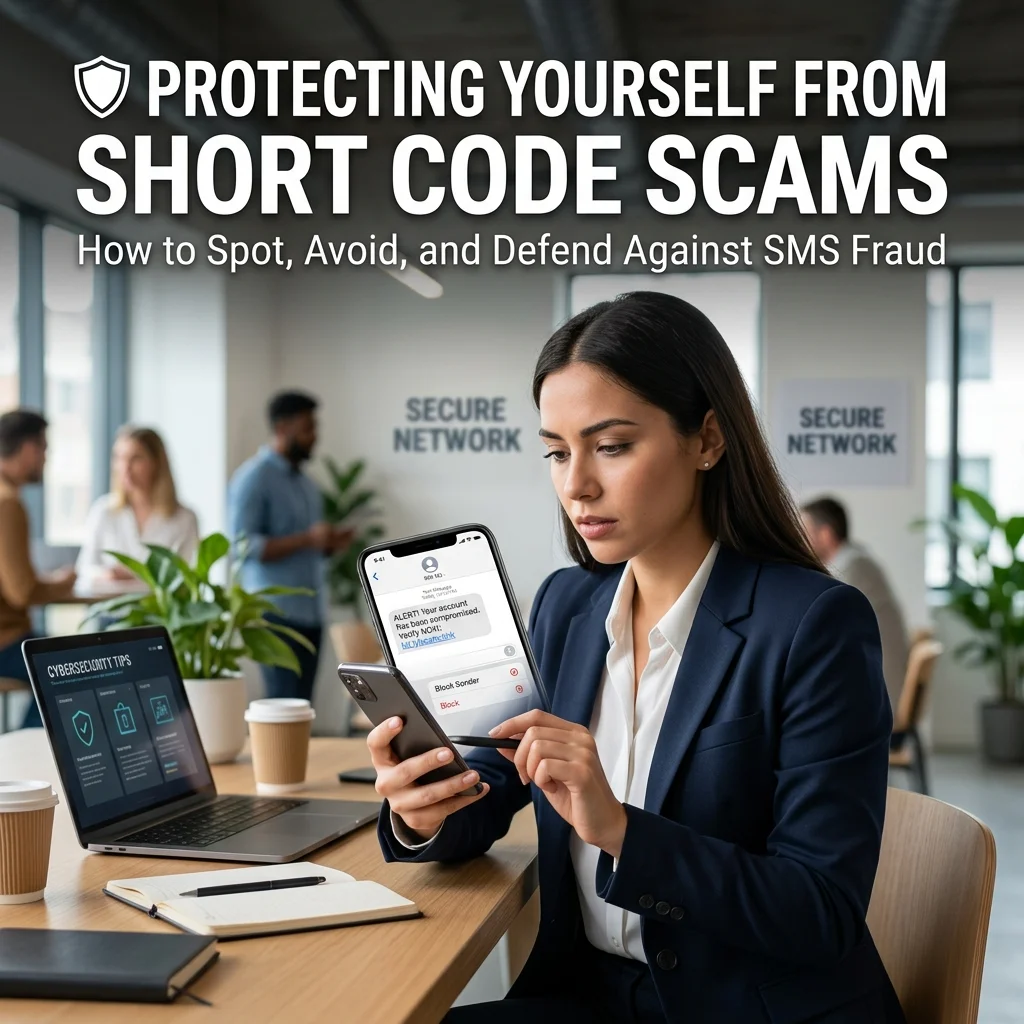
Taking proactive measures can help you avoid falling victim to scams involving short codes.
Register for Do Not Call Lists
In the United States, you can register your phone number on the National Do Not Call Registry. While this won’t stop all spam, it can reduce unwanted telemarketing calls and messages.
Be Cautious with Your Phone Number
Only share your phone number with trusted organizations. Avoid posting it publicly on social media or websites. Scammers often scrape public profiles for contact information.
Use Two-Factor Authentication
Enable two-factor authentication on your important accounts. This adds an extra layer of security beyond passwords. Even if a scammer gets your password, they’ll need your authentication code to access your account.
Keep Your Phone Updated
Regularly update your phone’s operating system and apps. Updates often include security patches that protect against known vulnerabilities.
Use Spam Protection Features
Many modern phones include built-in spam protection features. Enable these features to filter out suspicious messages automatically.
❓ Frequently Asked Questions
Is 313131 a legitimate short code?
Yes, 313131 is a registered short code used by legitimate organizations for various purposes. However, scammers can also use it for fraudulent activities, so always verify the source of any message you receive.
What does it mean if I get a text from 313131?
It could be a legitimate message from a campaign, organization, or service you signed up for. However, it could also be spam or a scam attempt. Read the message carefully and verify the sender before taking any action.
How do I stop receiving messages from 313131?
You can reply “STOP,” “QUIT,” “CANCEL,” “UNSUBSCRIBE,” or “END” to the short code. If messages continue, contact your mobile carrier for assistance.
Is the 313 Exchange legitimate?
No, “313 Exchange” is reported as a fraudulent cryptocurrency trading platform. The platform has been identified as a “scam” and “fraudulent investment scheme” that “disappears with users’ funds.”
Can I block 313131 on my phone?
Yes, most phones allow you to block specific numbers or short codes. If you’re receiving unwanted messages, blocking the number prevents future messages from coming through.
How can I report a suspicious 313131 text?
You can forward the message to 7726 (SPAM) to report it to your carrier. Additionally, you can file a complaint with the FTC at ReportFraud.ftc.gov.
What are the most common scams using 313131?
Common scams include sports betting spam, fraudulent cryptocurrency trading platforms, and phishing attempts. Always verify the source before responding or clicking any links.
Should I reply to messages from 313131?
Only reply if you recognize the organization and have initiated contact. If you’re unsure, don’t reply and report the message to your carrier.
Can scammers spoof short codes like 313131?
Yes, scammers can spoof short codes, making messages appear to come from legitimate numbers. Consequently, even messages from recognized short codes should be treated with caution if they contain suspicious content.
What should I do if I’ve fallen for a 313131 scam?
Contact your bank or credit card company immediately. Then, report the incident to the FTC and your local law enforcement. Additionally, monitor your accounts for unauthorized activity.
✅ Conclusion
The 313131 text message comes from a registered short code that legitimate organizations use for campaigns, alerts, and member communications. For example, student activism groups and labor unions have used this number effectively to reach their members. However, scammers also exploit this short code to send spam and operate fraudulent schemes.
When you receive a message from this number, carefully assess its content and source. If you didn’t sign up for the service, be cautious. Legitimate organizations will identify themselves and provide opt-out instructions. Furthermore, they will never ask for personal information via text.
If you suspect a scam, don’t respond to the message or click any links. Instead, report it to your carrier and relevant authorities. Taking these precautions protects you and helps disrupt scammers’ operations.
Understanding the context of the 313131 text message empowers you to protect yourself from scams while still benefiting from legitimate communications. Stay informed, stay cautious, and always trust your instincts when something doesn’t feel right.

Amelia Brooks is a passionate writer specializing in text meanings, slang, and digital communication trends. She simplifies modern messaging to help readers understand every text with ease.