Have you received a text message from 51555 and wondered what it means? This five-digit number might appear on your phone as a sender, or you might see it mentioned in instructions for subscribing to services. Unlike typical phone numbers, 51555 is a short code—a specialized number used for mass messaging and automated services.
Understanding what 51555 represents can help you decide whether to trust messages from this number. Furthermore, it helps you use the service effectively if you need to, and it shows you how to stop receiving messages if you no longer want them. This guide explains the different uses of the 51555 text message short code and what you should know about it.
📌 What Is a Short Code Like 51555?
A short code is a five- or six-digit number that companies and organizations use to send and receive high-volume text messages. Unlike standard 10-digit phone numbers, short codes are designed for automated communication. They serve many purposes, including:
- Marketing campaigns: Sending promotional offers and updates
- Alerts and notifications: News alerts, appointment reminders, and emergency notifications
- Verification codes: Two-factor authentication for online accounts
- Interactive services: Voting, polling, and contests
The number 51555 is a shared short code. Consequently, multiple organizations can use it for different purposes. This explains why messages from 51555 might vary widely in content. Some messages might be news alerts, while others could be nonprofit updates or promotional offers.
📱 Historical Uses of 51555 in India
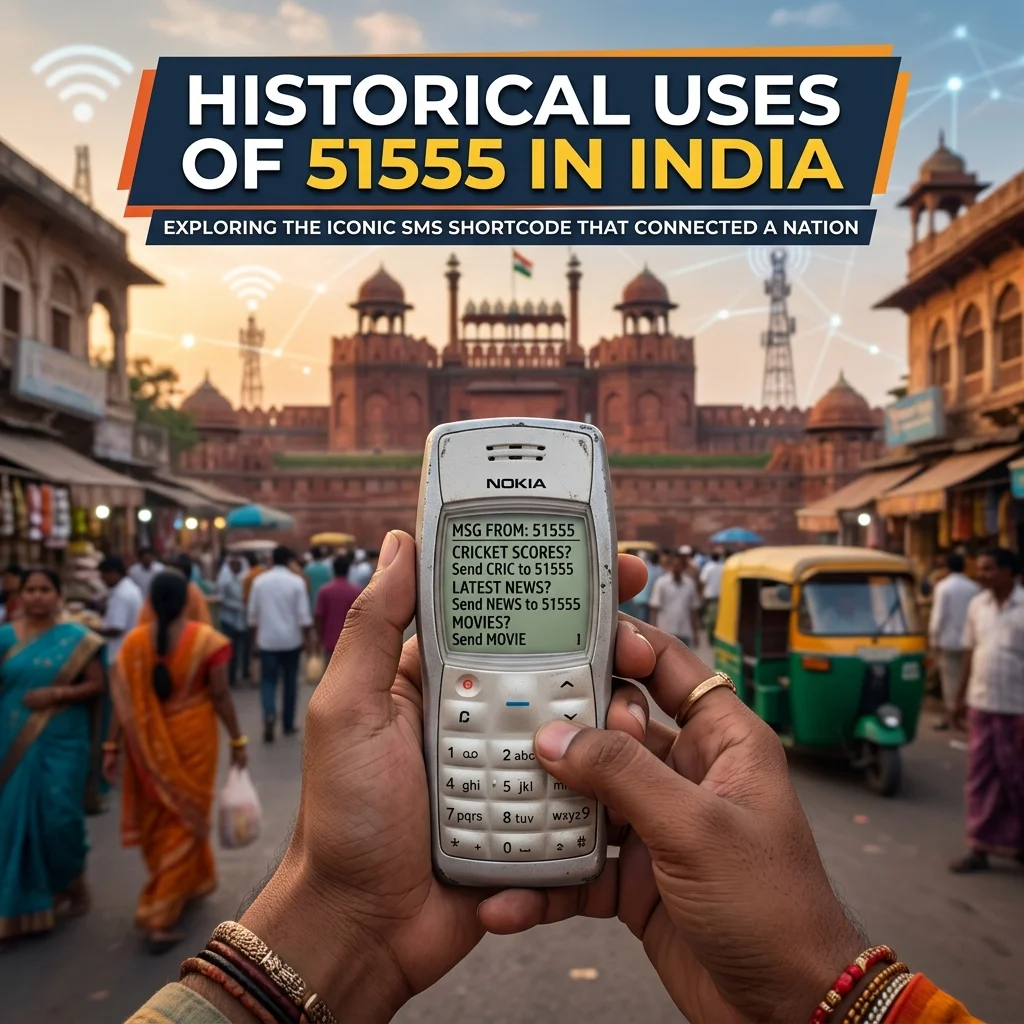
The 51555 short code has a notable history in India, where mobile carriers used it for early Facebook mobile services. These services were groundbreaking at the time, as they allowed users without smartphones to access social media.
Facebook Voice Updates on Aircel
In January 2011, Indian telecom operator Aircel partnered with Facebook to allow users to update their Facebook status by recording a voice message. Users could dial 51555 from their phones, select their preferred language, enter their login details, and record a 30-second voice message to post as their Facebook status.
This service was particularly useful in India, where smartphone penetration was relatively low at the time. Even users with basic mobile phones could interact with Facebook through this voice-based service. The call cost Re 1 per minute, and there was a weekly subscription charge of Rs 5.
Facebook via SMS on Tata Indicom
Even earlier, in April 2009, Tata Indicom launched Facebook access via SMS using the short code 51555. Tata Indicom subscribers could update their Facebook status, search for friends, send messages, poke friends, write on friends’ walls, and add friends—all by texting to the short code 51555.
The service was free to activate, and incoming SMS alerts were also free. Each outgoing SMS to 51555 cost Re 1. This made Facebook accessible to a wide range of mobile users who didn’t have internet access on their phones.
📨 Current Uses of the 51555 Short Code
Today, 51555 continues to be used by various organizations for different purposes, primarily in the United States. These uses reflect the ongoing relevance of short codes for mobile communication.
News Alert Services
Several news organizations use 51555 to deliver text alerts to subscribers. For example, the Wisconsin Jewish Chronicle offered a text alert service where users could text “WJC” to 51555 to start receiving news alerts. Subscribers received updates about news, arts, people, and things to do, with the option to text “STOP” to unsubscribe at any time.
Nonprofit and Cause Marketing
Nonprofit organizations have also used 51555 for mobile engagement and fundraising. Nonprofit Tech for Good used the short code for text alerts, allowing subscribers to receive resources, best practices, and breaking news relevant to the nonprofit sector.
Contests and Voting
The 51555 short code has also been associated with promotional campaigns. For instance, American Idol used this short code for voting and contests.
⚠️ Recognizing Legitimate vs. Suspicious Messages
Because 51555 is a shared short code, you might receive messages from this number that you didn’t expect. Understanding how to evaluate these messages is important for your safety.
Legitimate Uses
Legitimate messages from 51555 typically include clear identification of the organization sending the message. They also provide opt-out instructions, such as texting “STOP.” Additionally, many services respond to “HELP” with information about the service.
Warning Signs of Scams
Be cautious if a message from 51555 asks for personal information like passwords or Social Security numbers. Similarly, avoid messages that contain suspicious links or attachments. Scammers often create a false sense of urgency or claim you’ve won a prize you didn’t enter. Also, be wary of messages that do not clearly identify the sender.
What to Do If You’re Unsure
If you receive a suspicious message from 51555, follow these steps:
- Do not click any links: Avoid interacting with any links in the message
- Do not reply: Responding might confirm your number is active
- Check with the organization: If the message claims to be from a specific company, contact them through their official website
- Forward to 7726: You can forward spam texts to 7726 (SPAM) to report them to your carrier
🔧 How to Opt Out of Messages from 51555
If you’re receiving unwanted messages from 51555, opting out is usually straightforward. Most legitimate services provide clear instructions for unsubscribing.
Text STOP
Most legitimate services that use 51555 support opt-out commands. Simply reply with “STOP” to unsubscribe from messages from that specific service. You should receive a confirmation message that you’ve been unsubscribed.
Use Other Opt-Out Commands
Some services might respond to other commands like “UNSUBSCRIBE” or “CANCEL.” If “STOP” doesn’t work, try these alternatives.
Contact Your Carrier
If you continue to receive unwanted messages despite attempting to opt out, contact your mobile carrier. They can help block messages from specific short codes or investigate whether the messages are violating regulations.
❌ Common Mistakes About 51555
Mistake 1: Assuming All Messages Are Spam
While some messages from 51555 might be unwanted, many are legitimate communications from organizations you’ve subscribed to. Check the content before deciding how to respond.
Mistake 2: Trying to Call 51555
51555 is a short code for text messaging, not a phone number you can call. Dialing this number will not connect you to anyone.
Mistake 3: Ignoring Legitimate Alerts
If you’ve signed up for news alerts or other services, messages from 51555 might contain important information. Be cautious about ignoring these messages without checking them.
Mistake 4: Confusing 51555 with Other Numbers
51555 is different from short codes like 7726 (SPAM) for reporting spam, or 5-digit numbers used for verification codes. Each serves a distinct purpose.
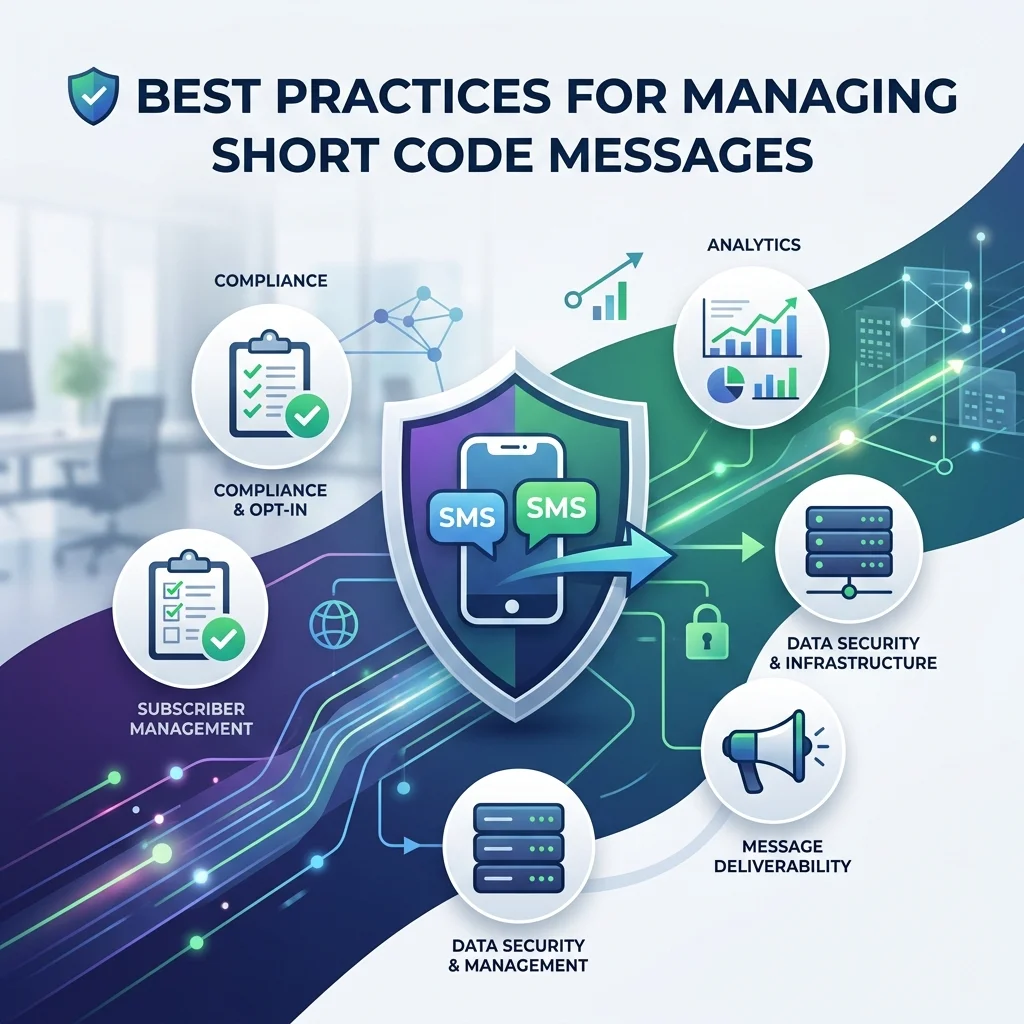
🛡️ Best Practices for Managing Short Code Messages
Keep Track of Subscriptions
Make a note of which services you’ve subscribed to and which short codes they use. This helps you identify legitimate messages when they arrive.
Use the Help Command
If you’re unsure what a particular 51555 service does, try texting “HELP.” Many services respond with information about their purpose and how to opt out.
Report Unwanted Messages
If you receive spam or scam messages from 51555, report them to your carrier by forwarding the message to 7726 (SPAM). Your carrier can investigate and block the sender.
❓ Frequently Asked Questions
What is 51555?
51555 is a shared short code that various organizations use for text messaging services, including news alerts, nonprofit communications, and promotional campaigns.
Is 51555 a scam?
Not necessarily. 51555 is a legitimate short code used by many organizations. However, scammers might send messages through shared short codes. Always check the content of the message for warning signs.
How do I stop receiving messages from 51555?
Reply with “STOP” to unsubscribe from messages from the specific service. Most legitimate services support this command.
Can I trust messages from 51555?
Trust messages from 51555 if they clearly identify the sender and you remember subscribing to the service. Be cautious with unsolicited messages or those that ask for personal information.
What was 51555 used for in India?
In India, telecom operators used 51555 for Facebook mobile services. Tata Indicom used it for SMS-based Facebook access starting in 2009, and Aircel used it for Facebook Voice Updates starting in 2011.
Can I report spam from 51555?
Yes, forward spam messages from 51555 to 7726 (SPAM) to report them to your carrier.
Is 51555 used for verification codes?
Some services might use 51555 for verification or authentication purposes. However, this is not its primary use.
✅ Conclusion
The 51555 text message short code is a versatile tool that various organizations use for different purposes. It has a rich history, particularly in India, where it enabled early Facebook mobile access for users without smartphones. Today, it remains active for news alerts, nonprofit communications, and promotional campaigns.
If you receive a message from 51555, consider the content carefully. Legitimate messages will clearly identify the sender, provide opt-out instructions, and not ask for sensitive personal information. If you’re unsure about the legitimacy of a message, don’t click any links or reply until you’ve verified the source.
Remember that you can always reply with “STOP” to unsubscribe from messages from 51555 if you no longer wish to receive them. By staying informed and cautious, you can navigate messages from this short code safely and effectively.

Amelia Brooks is a passionate writer specializing in text meanings, slang, and digital communication trends. She simplifies modern messaging to help readers understand every text with ease.