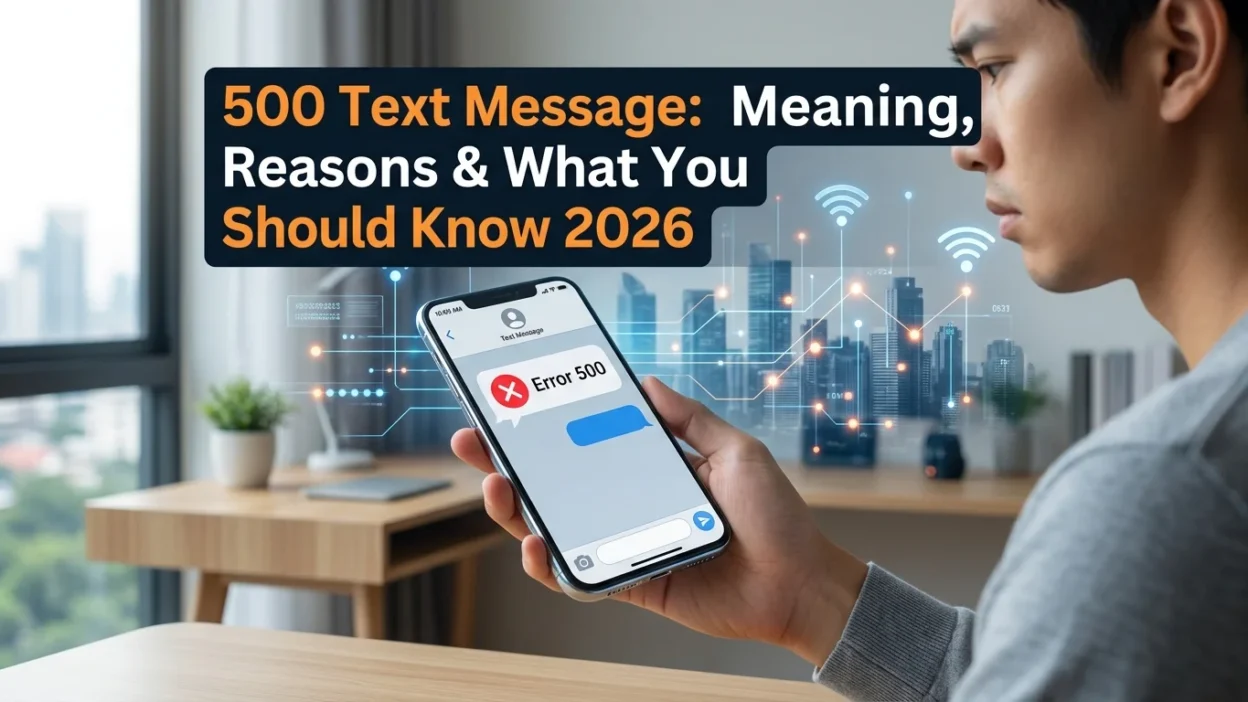
Receiving a text message from an unknown number or seeing “500” appear on your phone bill can be confusing and sometimes even alarming. Unlike common texting abbreviations that are clearly slang or shorthand, “500” doesn’t follow any recognizable pattern. It’s not an acronym you can look up in a dictionary of internet slang, nor is it a playful number substitution like “500” for “I love you.” This comprehensive guide explores everything you need to know about the 500 text message, from its various meanings to how you should respond when you encounter it.
Understanding Short Codes and Their Purpose
Before diving into the specific meaning of 500, it’s helpful to understand what short codes are and why they exist in the telecommunications ecosystem. Short codes are specialized telephone numbers that are significantly shorter than full phone numbers, typically consisting of five or six digits. They serve several important functions in modern digital communication.
Companies and organizations use short codes for a variety of purposes. One primary use is for bulk messaging, where businesses can send thousands of messages simultaneously through a single short code. This efficiency makes them invaluable for marketing campaigns, appointment reminders, and delivery notifications. Additionally, short codes are designed for ease of recall, making them easier for customers to remember and type. Many companies invest in vanity short codes that spell out their brand name, further enhancing brand recognition.
Short codes also enable two-way communication between businesses and consumers. While they are primarily used for outgoing messages, some short codes allow replies for commands like “STOP” or “HELP.” This interactivity creates a more engaging experience for users and provides businesses with valuable feedback mechanisms.
The 500 short code fits into this broader ecosystem. Depending on your mobile carrier and the context of the message, 500 can function as a system identifier, an error code, or part of a promotional offering. Understanding these distinctions is crucial for determining whether the message is legitimate or potentially harmful.
The Primary Meaning: T-Mobile’s Email-to-Text Gateway
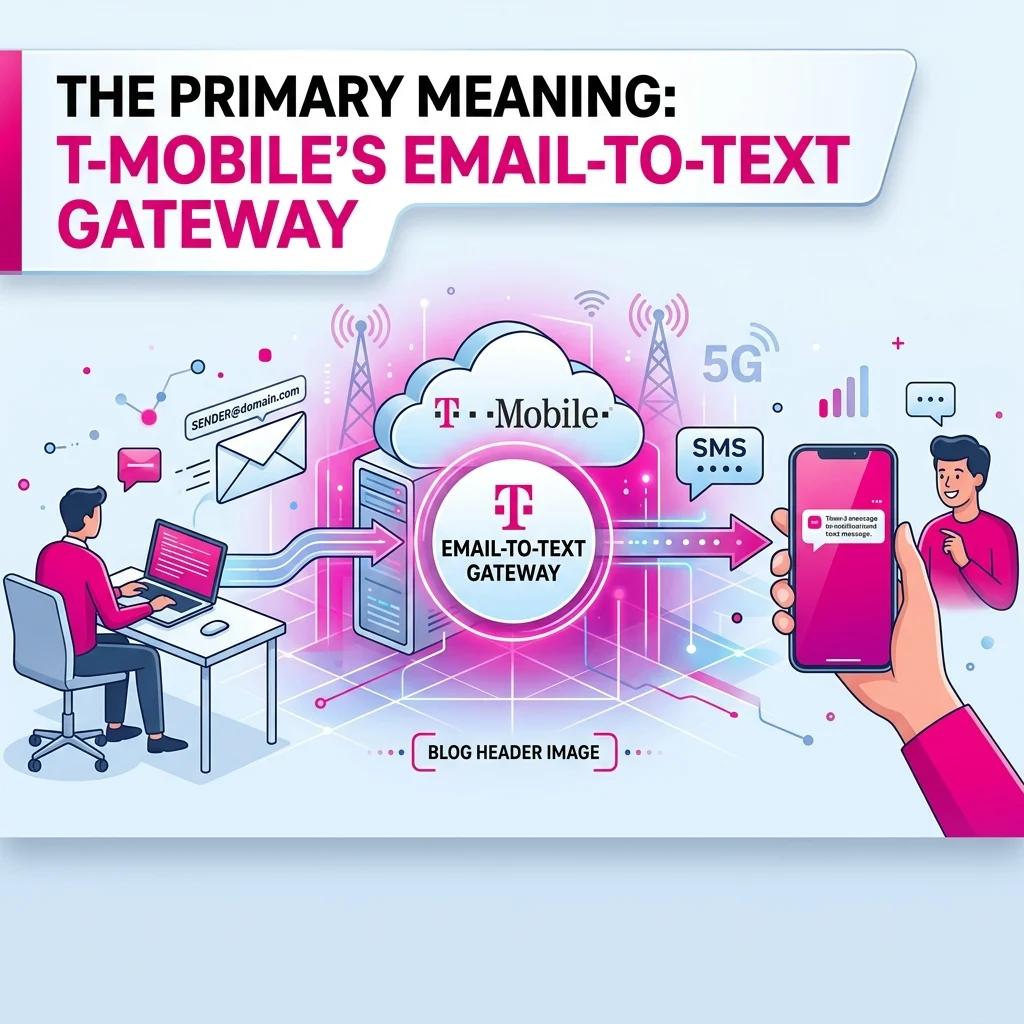
For millions of mobile users, specifically those on the T-Mobile network, the number 500 has a clear and official function. It is an internal short code used by the carrier to manage a specific type of messaging activity. T-Mobile uses this code as a system identifier for messages sent through their email-to-text gateway.
This email-to-text gateway is a legacy service that has been available for many years. It allows users to send an email to a phone number as a text message, and conversely, to send a text message to an email address. The system works through a simple addressing format. For example, someone can send a text to an email address Similarly, someone can send an email to your phone number, and it arrives as a text message on your device.
When these transactions occur, T-Mobile’s system logs them as passing through the 500 port. The “500” designation is simply a placeholder in the carrier’s internal records, a way to categorize and track these specific types of messages for billing and reporting purposes. If you see “500” on your detailed bill under the “phone number” column, it means the entry corresponds to an incoming or outgoing email-to-text message that was processed by the network.
This feature has practical applications that many users find valuable. For instance, if you’re traveling internationally and don’t have access to cellular data but have email connectivity, you can still communicate via text. Similarly, businesses can use this gateway to send automated notifications to customers without needing a dedicated SMS platform. The 500 short code is essentially the invisible infrastructure that makes this communication possible.
How the Email-to-Text Gateway Works in Practice
To better understand the 500 text message, let’s walk through a typical scenario. Suppose you’re a T-Mobile customer with the phone number (555) 123-4567. A friend wants to send you a text message but they’re using email instead of their phone’s messaging app. When they send that email, it travels through the internet to T-Mobile’s servers.
T-Mobile’s system receives the email and converts it into an SMS message. This conversion process strips away the email formatting, subject line, and attachments, keeping only the body text. The system then routes this converted message to your phone number through the cellular network. In T-Mobile’s internal logs, this transaction is recorded as having been processed through the 500 short code.
The reverse process works similarly. If you send a text message to an email address, your carrier converts it from SMS to email format and delivers it to the recipient’s inbox. Your T-Mobile bill will show that the message was sent via the 500 gateway. This explains why you might see multiple entries marked with 500 on your detailed billing statement.
Is a 500 Text Message a Scam?
One of the most common questions users have is whether the 500 text message indicates a scam. The short answer is that the 500 short code itself is not a scam. It is a legitimate internal tool used by T-Mobile and Sprint for managing email-to-text communications. T-Mobile maintains a list of official self-service codes, and 500 appears on this list, confirming it is part of their legitimate infrastructure.
However, the messages that trigger this code can sometimes be spam. When you receive spam via the email-to-text gateway, it’s not coming from the number 500 directly. Instead, it originates from an email address that is being used to send messages. The spammer is exploiting the email-to-text gateway to reach your phone without having access to the cellular network directly.
This distinction is important because it affects how you should respond. Blocking the number 500 would be ineffective since the spam isn’t actually coming from that address. Instead, you need to address the spam at its source: the email address sending the messages. We’ll discuss specific steps for handling this situation later in this guide.
Other Technical Meanings of 500
Beyond T-Mobile’s internal system, the code 500 appears in other technical contexts. Understanding these can help you identify the source of a message or error you might encounter.
GSM Modem and SMS Gateway Error Codes
In the world of SMS gateways and GSM modems, 500 is a standard error code that typically indicates an unspecified or unknown error. If you are using an API or software to send bulk SMS messages, you might receive a 500 error response when something goes wrong with your request.
This error is often frustrating because it provides limited information about what actually failed. The error essentially means “something unexpected happened on our end, and we can’t give you a specific reason.” In some cases, users have reported seeing a 500 code when using an SMS gateway, which indicated their account lacked enough credits to send the intended message. In other situations, it might indicate a temporary server overload or a configuration issue.
When you encounter this error, the most effective troubleshooting steps include checking your account balance to ensure you have sufficient credits, verifying that your API credentials are correct, and reviewing the message content for any characters or formatting that might be causing issues. If the problem persists, contacting the service provider’s technical support with detailed information about the error is usually the best course of action.
HTTP Status Code 500: Internal Server Error
In web development, 500 is a well-known HTTP status code. When you visit a website and see a “500 Internal Server Error,” it means the server encountered an unexpected condition that prevented it from fulfilling your request. This is an error on the website’s end, not yours, and it indicates a technical problem with the website’s server or the code running on it.
While this is unrelated to text messaging, it is one of the most common ways people encounter the number 500 in a technical setting. If you see a 500 error while browsing the web, refreshing the page sometimes resolves the issue if it was a temporary glitch. If the problem persists, the website’s administrator typically needs to investigate the server logs to determine the underlying cause.
500 in Commercial SMS Bundles and Marketing
Historically, the number 500 has appeared in promotional offers from various mobile carriers around the world. While not directly a code in the message itself, it often appears as a key part of an offer or subscription process.
International SMS Bundles
Several carriers have used 500 to denote a specific bundle of messages. These are offers where you pay a set price to send a certain number of texts. For example, Go Mobile in Malta offered a “Ready to Go Text” tariff where customers could get 500 text messages for a specific price. Customers had to send a code to activate this offer. Similarly, Ufone in Pakistan offered a daily bundle where for a small fee, users got a substantial number of SMS messages, MMS messages, and mobile internet data.
These marketing examples show that 500 can appear in promotional contexts, but it’s a representation of quantity rather than a text code. These offers were popular in the early 2010s when SMS usage was at its peak and carriers were competing aggressively for prepaid customers.
Slang and Cultural References for 500
The number 500 also appears in slang and internet culture, though these uses are less common in standard SMS messaging.
“Bat 500” in Baseball
In baseball, a batting average of .500 means a player gets a hit half the time they are at bat. This has led to the idiom “batting five hundred,” which means being successful about half the time. You might hear someone say “I batted five hundred on my exams” to mean they got half of the questions right. While not a texting term, it’s a cultural reference that you might encounter in conversation.
The Game “500”
500 is also the name of an old-school baseball-like game. In this game, one person hits the ball to a group of players who earn points. The first person to get 500 points wins and takes over as the hitter. This nostalgic game is often played at family gatherings or summer camps but has no connection to text messaging.
Vietnamese Slang: “500 anh em”
In Vietnamese internet culture, the phrase “500 anh em” (500 brothers) is a slang term used to refer to a large group of people with a shared interest, profession, or common identity. It gained popularity on social media platforms like Facebook in early 2016 and has a similar meaning to saying “the squad” or “the community.” This usage is exclusively found in Vietnamese online communities and is unrelated to the technical meanings of 500.
Common Scenarios and How to Handle Them

If you’ve encountered the number 500 in relation to a text message, here are some common scenarios and how to address them effectively.
Scenario 1: 500 Appears on Your T-Mobile Bill
If you see 500 on your T-Mobile bill, it’s almost certainly a normal entry for email-to-text messages. You sent or received an email that was converted to an SMS through the carrier’s gateway. This is part of your normal usage record and doesn’t require any action on your part. The 500 designation is simply a way for T-Mobile to categorize these transactions internally.
Scenario 2: You Received an Unwanted Spam Text from an Email Address
If you receive spam via the email-to-text gateway, the message will typically show an email address as the sender rather than a phone number. This spam can take various forms, from phishing attempts to promotional offers. The most effective way to handle this is to forward the spam to 7726 (SPAM). This is a universal short code used by all major carriers to report spam messages.
When you forward the message to 7726, your carrier receives the content and can take action against the sender. This might involve blocking the email address that is sending the spam or taking steps to prevent future abuse of the system. Additionally, you can contact T-Mobile directly and ask them to block all inbound and outbound email-to-text messages for your line. This is the most effective solution for stopping spam, but it will also prevent you from receiving legitimate alerts from services that rely on this feature.
Scenario 3: You Got a 500 Error When Sending a Message via an API
If you encounter a 500 error while using an SMS gateway or API, it typically indicates an unspecified internal error. The most common cause is insufficient credits in your account. Check your account balance and add more credits if needed. If the problem persists, contact the service provider’s technical support with details about the error, including the exact error message and any error codes you received.
Scenario 4: You Received a Promotional Offer Involving 500 Messages
If you receive a text message promoting a bundle of 500 messages, this is typically a legitimate marketing offer from your carrier or a third-party service. These offers are usually straightforward: you pay a set amount and receive 500 messages to use within a specific timeframe. Always read the terms and conditions carefully to understand any limitations or expiration dates associated with the offer.
How to Protect Yourself from Unwanted Messages
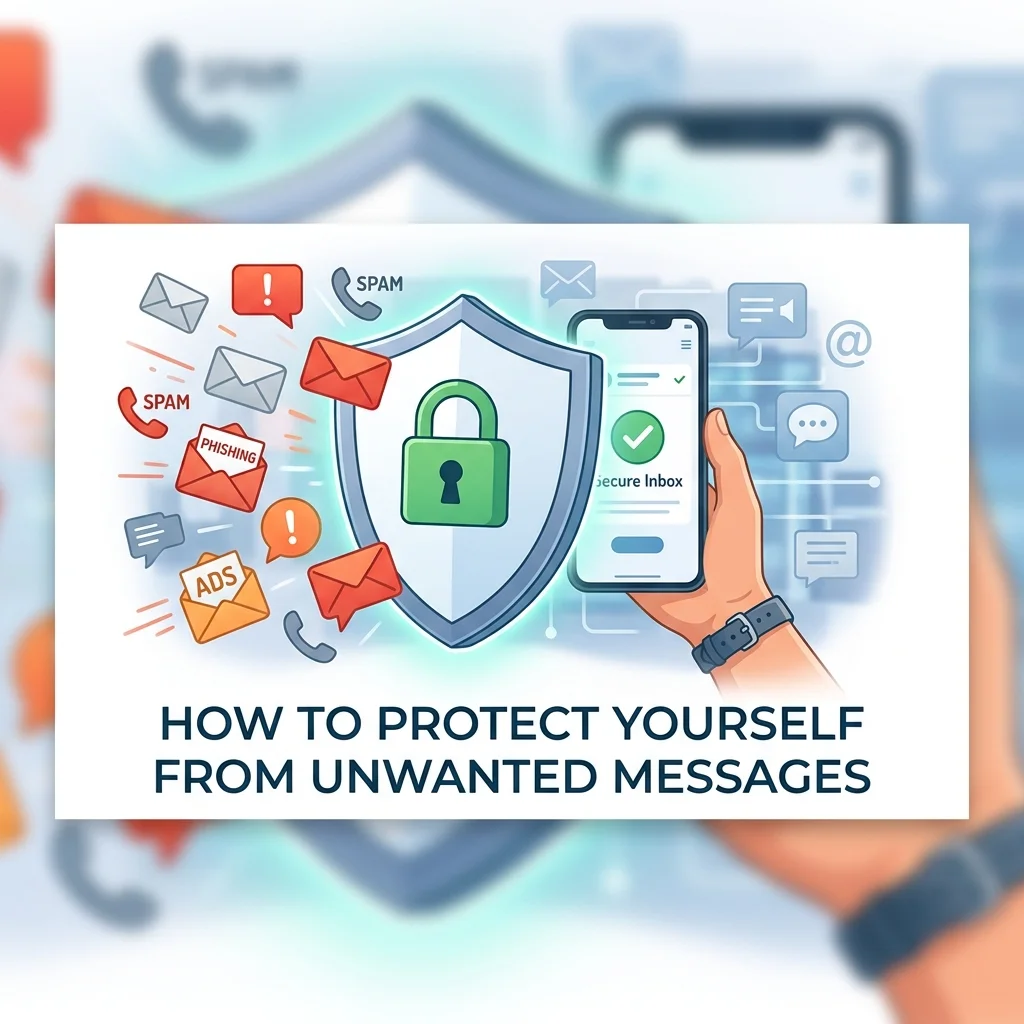
Protecting yourself from unwanted messages, whether they come through the 500 gateway or other channels, requires a combination of awareness and proactive measures.
Reporting Spam to Your Carrier
All major carriers have systems in place for reporting spam messages. The most universal method is to forward the spam text to 7726. This short code works on T-Mobile, AT&T, Verizon, Sprint, and most other carriers. When you forward a message, it alerts your carrier to the spam and helps them improve their filtering systems.
Blocking Senders
Most modern phones allow you to block specific numbers and contacts. If you receive spam from a particular email address or phone number, you can block it directly from your messaging app. On iPhone, you can tap on the contact at the top of the conversation, select “Info,” and then choose “Block this Caller.” On Android, tap on the three dots in the top right corner and select “Block numbers.”
Managing Email-to-Text Settings
If you’re receiving excessive spam through the email-to-text gateway, you might want to consider disabling this feature entirely. Contact your carrier’s customer service and request that they block all inbound and outbound email-to-text messages for your line. This is a permanent solution that will stop spam but also prevent any legitimate messages from this channel.
The Future of Short Codes and SMS Communication
As technology continues to evolve, the role of short codes and SMS communication is changing. Rich Communication Services (RCS) is gradually replacing traditional SMS with more advanced features like read receipts, typing indicators, and higher-quality media sharing. However, the fundamental principles of short codes and OTPs will likely remain relevant for the foreseeable future, as they provide a simple and reliable method for authentication and communication.
RCS and Enhanced Messaging
RCS represents the next generation of messaging, offering capabilities that compete with popular messaging apps like WhatsApp and iMessage. It allows for more interactive messages with features like suggested replies and quick action buttons. While RCS is still being rolled out globally, it’s expected to eventually replace SMS as the standard messaging protocol.
The Role of Security
Security remains a primary concern in digital communication. Verification codes and two-factor authentication have become essential tools for protecting online accounts from unauthorized access. The use of short codes for these purposes is likely to continue, even as the underlying technology evolves.
Frequently Asked Questions
Can I text the number 500?
Yes, you can send a text to 500, but it won’t reach a person. It is a short code designed for system functions. On T-Mobile, you could theoretically send a text to 500 to trigger an email-to-text conversion. However, the success of this method varies, and it’s not a standard practice. Sending messages to short codes can also incur charges, so it’s best to only do this if you are following specific instructions from your carrier.
What does 500 mean on my T-Mobile bill?
On a T-Mobile bill, 500 signifies an entry for an email-to-text message. It’s an internal code that shows the network routed the message through its email-to-text gateway. It doesn’t mean you sent a text to the number 500 or that you received a message from someone with that phone number. This is simply a categorization method used by the carrier.
Is 500 a scam text?
The 500 short code is not a scam. It is an official T-Mobile system code. However, a text message you receive from an email address (which may be logged as 500) could be spam. The source of the scam is the sender’s email address, not the 500 code itself. If you are unsure, don’t click on any links and follow the steps above to report the spam.
What does it mean when a text says it’s from 500?
If your text message app shows a message is from 500, it means the message was sent via a short code, which is typically used for automated services. On T-Mobile, this specifically means the message was processed through the email-to-text gateway. The actual sender is an email address, not a phone number.
What should I do if I get a 500 error when using an SMS service?
A 500 error when using an SMS gateway or API indicates a technical problem on the service provider’s end. It could be an unspecified error or a sign you need to add more credits to your account. The best course of action is to check your account balance and contact the provider’s support team with the details of the error.
Is 500 an area code?
No, 500 is not a geographic area code in the United States or Canada. It is reserved as a non-geographic area code for special services. These types of numbers are used internally by carriers and are not assigned to a specific city or region. They serve specific technical functions rather than being tied to a particular location.
Does 500 mean anything in slang?
Yes, but it’s not common in texting. “Bat five hundred” is an idiom meaning to be successful about half the time. 500 is also a baseball game, and “500 anh em” is a Vietnamese internet slang term for a group of people with a shared identity. However, none of these slang meanings are typically used in text messaging.
How do I stop spam messages from 500?
To stop spam messages that appear to come through 500, forward the spam to 7726. This reports the message to your carrier. Additionally, you can contact T-Mobile to request that they block all email-to-text messages to your line. You can also block specific senders through your phone’s settings.
Can I opt out of email-to-text messages?
Yes, you can opt out of email-to-text messages by contacting T-Mobile customer service and requesting that they block the email-to-text feature for your line. This will stop all messages from email addresses, including legitimate ones.
What happens if I reply to a 500 text message?
Replying to a short code like 500 may incur charges depending on your carrier and the specific service. In many cases, replies to short codes are processed by automated systems and may not reach a human. It’s generally advisable to only reply to short codes when you are following specific instructions from a legitimate service.
Conclusion
Understanding what a 500 text message means can save you from unnecessary confusion and concern. In most cases, it’s a technical indicator from your mobile carrier, specifically T-Mobile’s email-to-text gateway. It’s not a scam itself, though it can be used as a vector for spam. By recognizing legitimate uses of the 500 code, understanding the context in which it appears, and knowing what steps to take when something seems suspicious, you can navigate the modern messaging landscape with confidence. Whether it’s appearing on your phone bill, showing up as a sender ID in your messaging app, or appearing as an error code, the number 500 serves specific functions that are grounded in the technical infrastructure of our communication networks. Armed with this knowledge, you’re now equipped to handle any 500 text message you encounter.

Amelia Brooks is a passionate writer specializing in text meanings, slang, and digital communication trends. She simplifies modern messaging to help readers understand every text with ease.